

Peptide & Growth Hormone
Storage of Peptides: The Complete Guide to Proper Peptide Storage
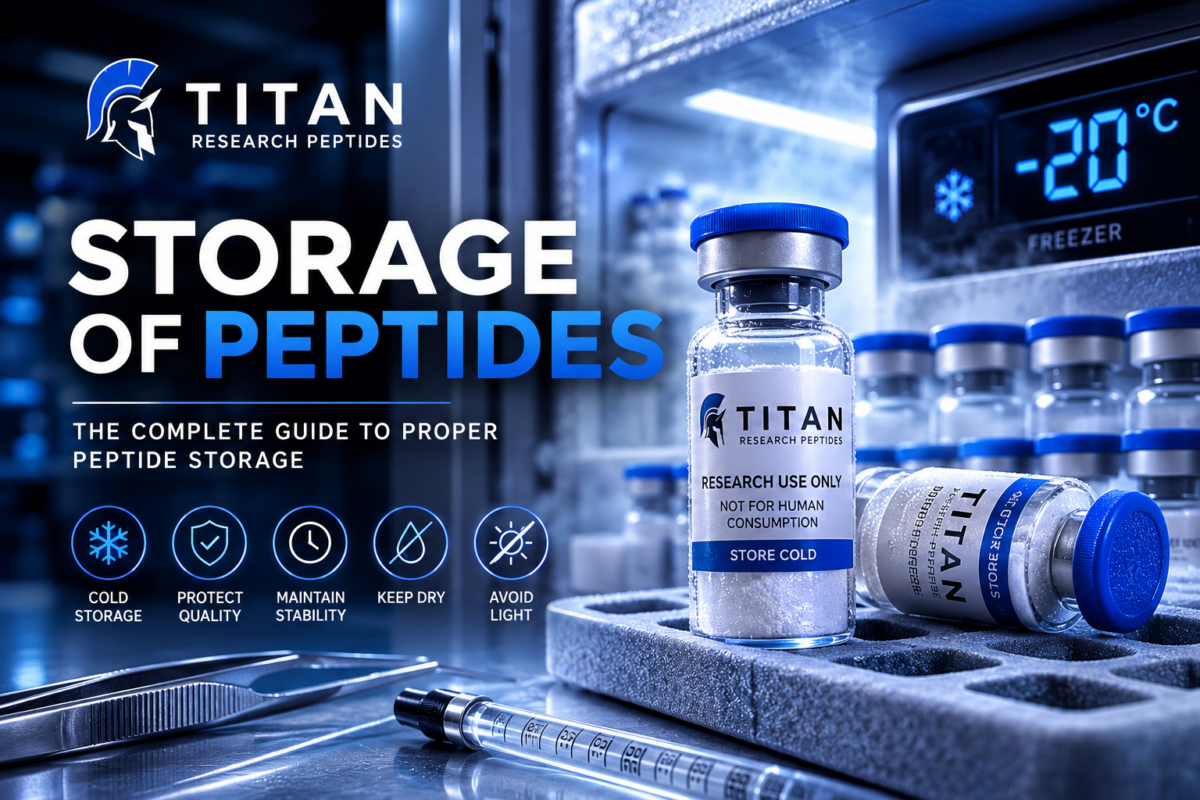
Aug
Introduction
Proper Storage Of peptides is one of the most important factors in preserving the stability, integrity, and performance of research peptides. Whether you’re working with lyophilized peptides or reconstituted solutions, following appropriate laboratory storage practices helps maintain product quality throughout the course of your research.
Researchers invest significant time and resources into their studies, making correct storage procedures essential for obtaining consistent and reliable experimental results. Temperature, moisture, light exposure, and repeated handling can all influence the stability of Storage of peptidescompounds if proper precautions are not followed.
In this guide, we’ll explain everything you need to know about the storage of peptides, including recommended storage temperatures, handling techniques, common mistakes to avoid, and best practices for maintaining peptide stability. Whether you’re working with copper peptides like AHK-Cu and GHK-Cu, healing peptides such as BPC-157 and TB-500, metabolic research compounds including MOTS-c, Semaglutide, or Tirzepatide, or growth hormone peptides like CJC-1295 and Ipamorelin, these storage principles apply across a wide range of laboratory research applications.
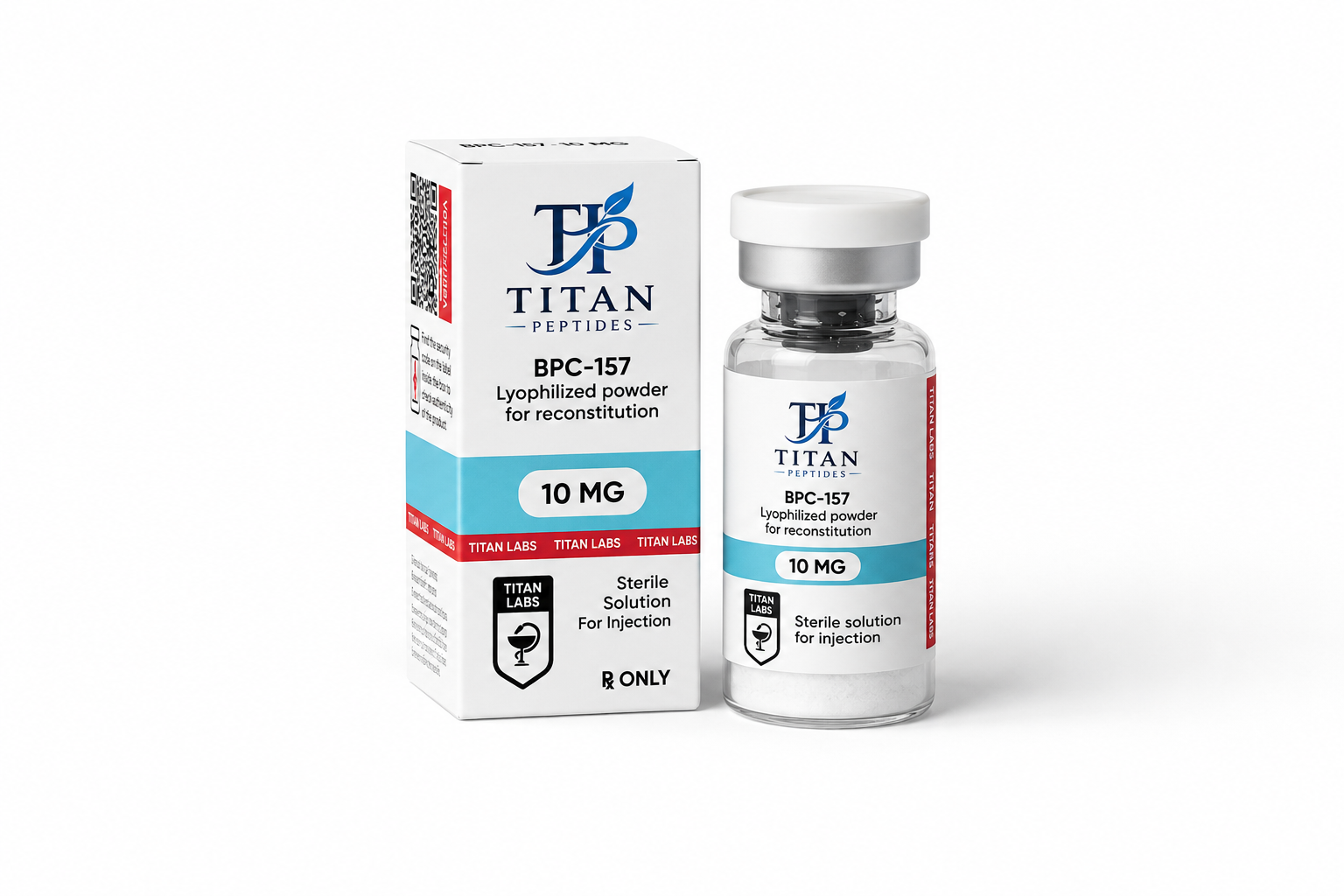
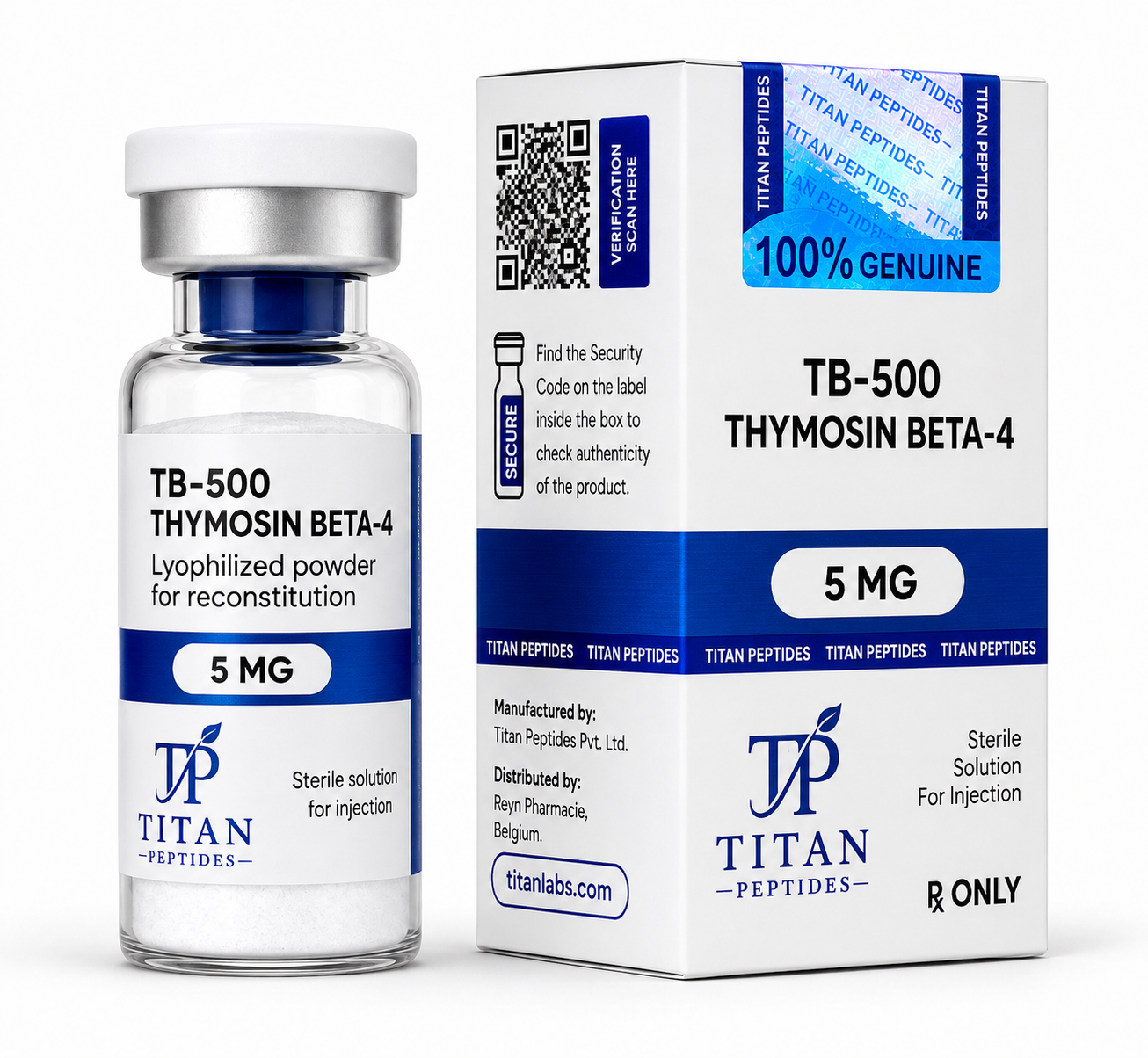
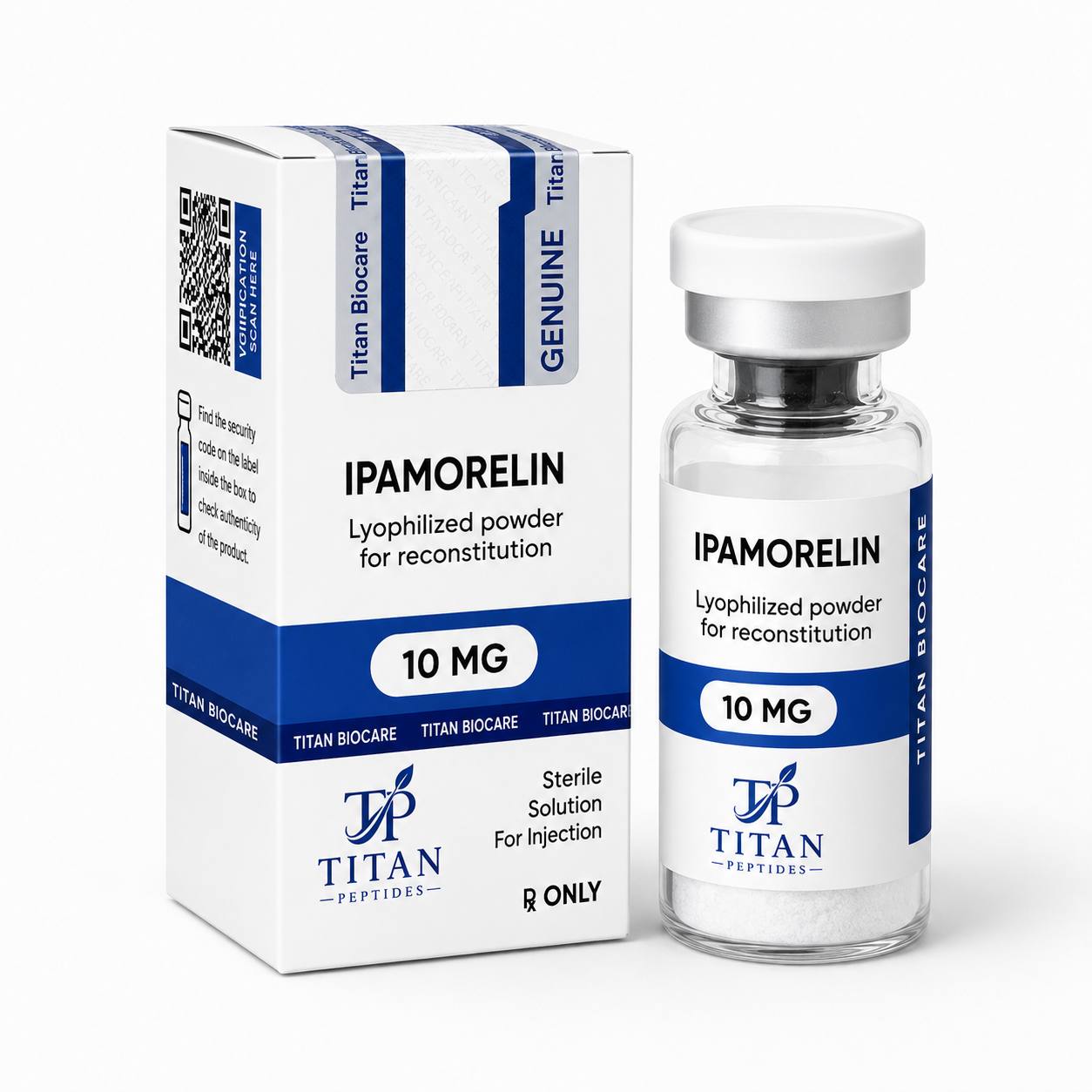
Table of Contents
- What Is Peptide Storage?
- Why Proper Peptide Storage Matters
- Understanding Lyophilized Peptides
- Storage of Lyophilized Peptides
- Storage of Reconstituted Peptides
- Recommended Storage Temperatures
- Protecting Peptides from Moisture and Light
- Avoiding Freeze-Thaw Cycles
- Common Peptide Storage Mistakes
- Peptide Shelf Life
- Storage Tips for Popular Research Peptides
- Frequently Asked Questions
- Final Thoughts
What Is Peptide Storage?
Peptide storage refers to the methods and environmental conditions used to preserve the stability and integrity of research peptides before and during laboratory use. Proper storage helps minimize degradation caused by heat, moisture, oxygen, light exposure, and repeated handling.
Unlike many laboratory compounds, peptides are sensitive molecules that require careful storage to maintain their quality over time. Following established laboratory storage practices allows researchers to reduce unnecessary degradation and improve consistency throughout their studies.
The appropriate storage method depends on whether the peptide is supplied in lyophilized (freeze-dried) form or has already been reconstituted into a solution. Each form has different storage recommendations, making it important to understand the differences before handling any research compound.
Titan Research Peptides supplies a wide range of research compounds, including BPC-157, TB-500, GHK-Cu, AHK-Cu, CJC-1295, Ipamorelin, MOTS-c, and many other research peptides. While these products are used in different areas of scientific research, careful storage remains an essential part of maintaining their quality.
Why Proper Storage Of peptides Matters
Proper peptide storage is an essential part of laboratory research because it helps preserve the physical and chemical characteristics of research compounds over time. Even high-quality peptides can be affected if they are exposed to unsuitable storage conditions for prolonged periods.
Several environmental factors may influence peptide stability, including:
- Temperature fluctuations
- Moisture and humidity
- Exposure to direct sunlight
- Oxygen
- Frequent handling
- Multiple freeze-thaw cycles
By controlling these factors, researchers can help reduce unnecessary degradation and maintain more consistent laboratory materials throughout the duration of their studies.
Correct storage practices also help laboratories manage inventory more efficiently. Storing peptides according to recommended laboratory procedures reduces unnecessary waste and helps ensure research materials remain available when needed.
Whether you’re working with growth hormone peptides, copper peptides, weight management research peptides, or other laboratory compounds, following proper storage recommendations is an important aspect of responsible research.
Understanding Lyophilized Storage Of peptides
Most research peptides are supplied in lyophilized, or freeze-dried, form. Lyophilization is a specialized drying process that removes water from the peptide while helping preserve its stability during storage.
Because moisture has been removed, lyophilized peptides are generally more stable than reconstituted peptide solutions when stored under appropriate laboratory conditions. This makes freeze-dried peptides the preferred format for shipping, storage, and long-term inventory management.
Before use in laboratory research, lyophilized peptides are typically reconstituted using appropriate laboratory-grade solvents according to established research protocols. Once reconstituted, storage recommendations differ from those for freeze-dried material.
Many products available from Titan Research Peptides—including IGF-1 LR3, PEG-MGF, BPC-157, TB-500, GHK-Cu, and AHK-Cu—are supplied in lyophilized form to support laboratory research.
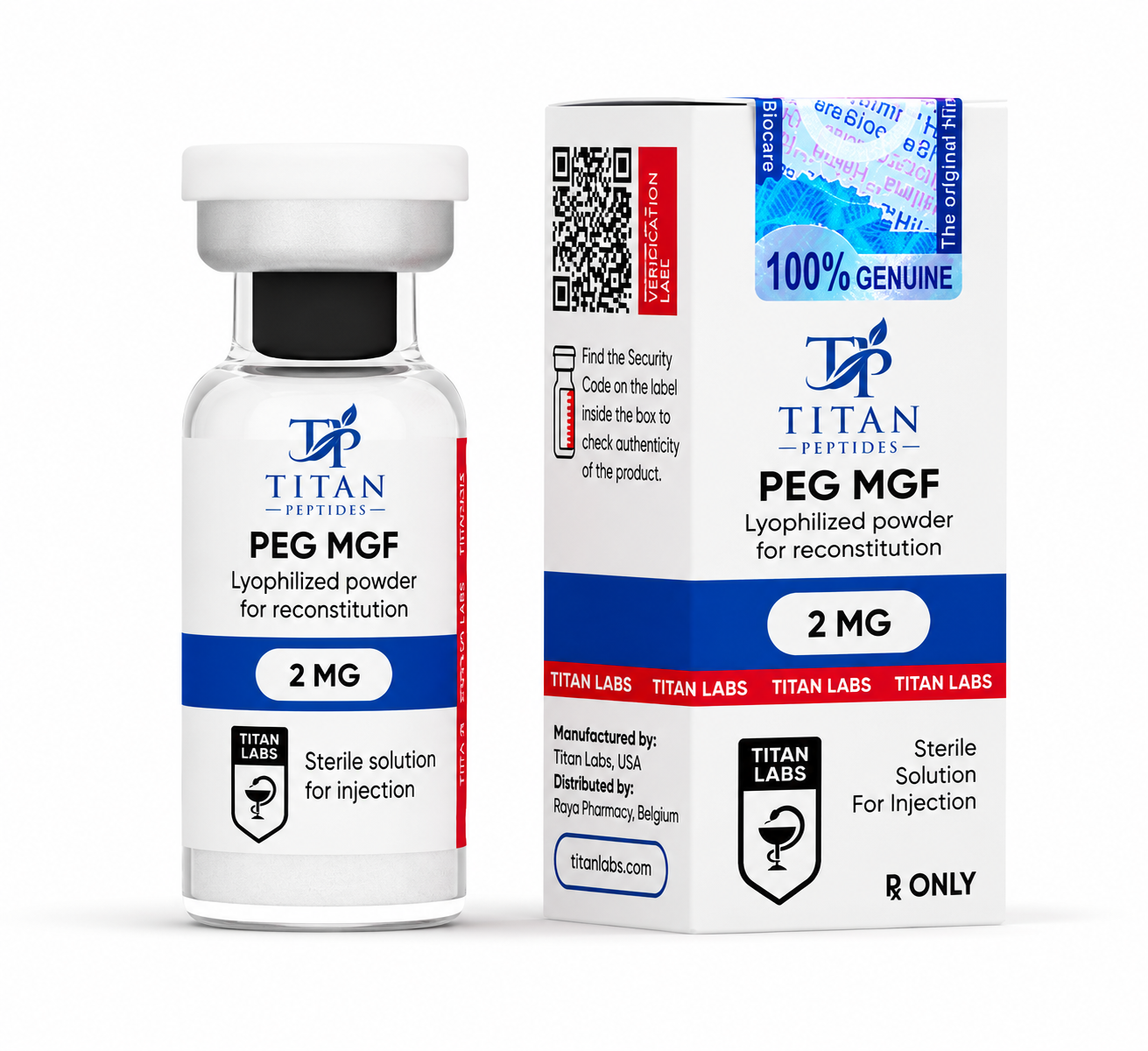
Understanding whether your peptide is freeze-dried or reconstituted is the first step toward selecting the most appropriate storage conditions.
Storage Of peptides Lyophilized
Lyophilized peptides should be stored in a clean, dry environment where they are protected from excessive heat, humidity, and direct sunlight. Maintaining stable environmental conditions helps preserve peptide quality throughout storage.
For long-term laboratory storage, researchers commonly keep lyophilized peptides in low-temperature laboratory freezers. Stable temperatures are generally preferred over frequent temperature changes, as repeated warming and cooling may affect certain research compounds over time.
To help protect product integrity:
- Keep peptides sealed in their original containers until needed.
- Minimize exposure to moisture.
- Avoid unnecessary handling.
- Protect vials from prolonged exposure to light.
- Store products in clearly labeled laboratory storage containers.
Researchers managing multiple compounds often organize their inventory by product name, batch number, and storage date to improve laboratory efficiency and reduce handling errors.
Whether you’re storing Semaglutide, Tirzepatide, PT-141, Tesamorelin, CJC-1295, or Ipamorelin, following consistent laboratory storage procedures helps maintain organized research materials and supports good laboratory practices.
Storage Of peptides Reconstituted Peptides
Once a research peptide has been reconstituted, it requires additional care during storage and handling. Reconstitution involves dissolving a lyophilized peptide using an appropriate laboratory-grade solvent according to established research protocols. After this process, the peptide solution becomes more sensitive to environmental conditions and should be handled with greater attention.
Researchers typically store reconstituted peptides under refrigerated laboratory conditions to help maintain stability throughout the course of their studies. Keeping storage temperatures consistent and minimizing unnecessary handling can help preserve the quality of the research material.
When working with reconstituted peptides, laboratories should follow good handling practices, including:
- Returning the peptide to appropriate storage immediately after use.
- Keeping containers tightly sealed when not in use.
- Avoiding unnecessary exposure to room temperature.
- Using clean laboratory equipment during handling.
- Clearly labeling all reconstituted solutions with preparation dates and identification information.
Many researchers also prepare smaller aliquots rather than repeatedly opening the same container. This approach helps reduce unnecessary handling and limits repeated temperature changes during long-term studies.
These storage practices can be applied across many commonly used research compounds, including BPC-157, TB-500, Semaglutide, Tirzepatide, CJC-1295, Ipamorelin, Tesamorelin, and IGF-1 LR3.
Recommended Storage Of peptides Temperatures
Temperature is one of the most important factors affecting peptide stability. Selecting appropriate storage conditions depends on whether the peptide is supplied in its original lyophilized form or has already been reconstituted for laboratory use.
Rather than allowing research compounds to experience frequent temperature changes, laboratories should aim to maintain consistent storage conditions throughout the product’s life cycle. Stable temperatures help reduce unnecessary stress on peptide materials and contribute to better laboratory organization.
General laboratory practices include:
- Storing lyophilized peptides in cool, dry environments for short-term use.
- Using low-temperature laboratory freezers for long-term storage of lyophilized compounds.
- Refrigerating reconstituted peptide solutions according to laboratory protocols.
- Avoiding repeated warming and cooling whenever possible.
Different research compounds may have unique storage recommendations depending on their chemical properties and intended research applications. Researchers should always review the information supplied with each product and follow appropriate laboratory procedures.
At Titan Research Peptides, products such as GHK-Cu, AHK-Cu, MOTS-c, PT-141, PEG-MGF, and NAD+ are supplied for laboratory research, and researchers should store each compound according to accepted laboratory practices.
Protecting Peptides from Moisture and Light
Environmental exposure is another important consideration when storing research peptides. Moisture and direct light can affect laboratory compounds over time, making proper storage containers and handling procedures an essential part of laboratory practice.
To help protect peptide quality, researchers commonly:
- Store peptides in tightly sealed containers.
- Keep products away from excessive humidity.
- Limit exposure to direct sunlight.
- Handle products only when necessary.
- Return products to appropriate storage immediately after use.
Original product containers are designed to help protect research compounds during storage and should be retained whenever possible. Proper labeling also helps researchers avoid handling errors and improves inventory management within the laboratory.
Whether working with Copper Peptides, Growth Hormone Peptides, or Weight Management Research Peptides, protecting products from unnecessary environmental exposure is considered a fundamental laboratory practice.
Why Freeze-Thaw Cycles Should Be Minimized
One of the most common laboratory mistakes is exposing the same peptide solution to repeated freeze-thaw cycles. Every time a reconstituted peptide is removed from storage, allowed to warm, and then returned to cold storage, the compound experiences another temperature change.
To reduce unnecessary handling, many laboratories prepare smaller aliquots immediately after reconstitution. By dividing a larger solution into multiple smaller containers, researchers can retrieve only the amount needed for a particular experiment while leaving the remaining aliquots undisturbed.
Additional best practices include:
- Planning experiments before removing peptides from storage.
- Returning unused material to appropriate storage promptly.
- Avoiding repeated opening of the same container.
- Using dedicated laboratory storage areas for research compounds.
These procedures are commonly used when handling research peptides such as Tesamorelin, Ipamorelin, IGF-1 LR3, PEG-MGF, TB-500, and BPC-157.
Common Storage Of peptides Mistakes
Even experienced researchers can make storage mistakes that may affect the stability of research peptides. Fortunately, most of these issues can be avoided by following consistent laboratory procedures and proper handling techniques.
One of the most common mistakes is exposing peptides to unnecessary temperature fluctuations. Frequently removing products from cold storage and allowing them to warm before returning them to storage may place unnecessary stress on certain research compounds.
Another common issue is failing to keep peptide containers tightly sealed. Exposure to humidity and environmental moisture may affect lyophilized peptides over time, making proper sealing an important part of laboratory storage.
Researchers should also avoid storing peptides in locations where they may be exposed to direct sunlight, excessive heat, or changing environmental conditions. Dedicated laboratory storage areas are generally preferred because they provide a more stable environment.
Additional mistakes to avoid include:
- Leaving peptides at room temperature longer than necessary.
- Using contaminated laboratory equipment during handling.
- Failing to label reconstituted solutions.
- Repeatedly opening the same vial.
- Ignoring manufacturer storage recommendations.
- Mixing different research compounds in the same storage container.
By avoiding these common mistakes, researchers can help maintain better laboratory organization and preserve the quality of their research materials.
How Long Can Peptides Be Stored?
The storage life of research peptides depends on several factors, including the specific peptide, whether it is lyophilized or reconstituted, storage conditions, and how frequently the product is handled.
Lyophilized peptides generally remain more stable than reconstituted solutions when stored under appropriate laboratory conditions. Once a peptide has been reconstituted, researchers should follow established laboratory protocols and plan experiments carefully to minimize unnecessary storage time.
Other factors that may influence storage life include:
- Storage temperature
- Exposure to moisture
- Exposure to light
- Handling frequency
- Container quality
- Laboratory procedures
Rather than focusing solely on the length of storage, laboratories should prioritize maintaining consistent environmental conditions and following good laboratory practices throughout the product’s lifecycle.
Products such as Semaglutide, Tirzepatide, MOTS-c, BPC-157, TB-500, GHK-Cu, and AHK-Cu all benefit from careful storage and responsible laboratory handling.
Storage Tips for Popular Storage Of peptides Research
Although every research project has unique requirements, the following general laboratory practices can help researchers maintain organized storage procedures across a wide range of research peptides.
BPC-157
Store according to recommended laboratory procedures and minimize unnecessary handling after reconstitution.
TB-500
Protect from excessive moisture and maintain consistent storage conditions throughout laboratory use.
GHK-Cu
Copper peptides should be stored using accepted laboratory practices while avoiding unnecessary environmental exposure.
AHK-Cu
Store in a clean laboratory environment and follow recommended handling procedures after opening the vial.
Semaglutide
Maintain consistent storage conditions and avoid repeated temperature changes during laboratory research.
Tirzepatide
Handle using appropriate laboratory procedures and store according to accepted research practices.
CJC-1295
Protect from moisture and excessive heat while maintaining organized laboratory inventory procedures.
Ipamorelin
Store using established laboratory storage protocols and minimize unnecessary handling during research.
MOTS-c
Maintain proper storage conditions and follow accepted laboratory practices throughout research activities.
NAD+
Researchers should store NAD+ products according to laboratory recommendations while maintaining stable environmental conditions.
Frequently Asked Questions
Should peptides always be refrigerated?
Storage recommendations depend on whether the peptide is lyophilized or reconstituted. Researchers should follow appropriate laboratory storage procedures for the specific product they are using.
Can peptides be frozen?
Many laboratories use low-temperature freezers for long-term storage of lyophilized peptides. Storage conditions should always be appropriate for the specific research compound.
Does light affect peptide stability?
Prolonged exposure to direct light may affect some research compounds. Storing peptides in appropriate containers away from direct sunlight is considered good laboratory practice.
Can moisture damage lyophilized peptides?
Yes. Moisture may affect freeze-dried peptides, which is why products should remain sealed until they are ready for laboratory use.
Why should freeze-thaw cycles be minimized?
Repeated temperature changes may affect peptide stability. Many laboratories reduce this risk by preparing smaller aliquots after reconstitution.
Final Thoughts
Proper peptide storage is an essential part of responsible laboratory research. Whether working with lyophilized powders or reconstituted peptide solutions, maintaining stable storage conditions, minimizing unnecessary handling, and following accepted laboratory procedures can help preserve the quality of research materials.
At Titan Research Peptides, we’re committed to providing high-quality research compounds supported by educational resources that help researchers make informed decisions. By understanding the principles of peptide storage and handling, laboratories can improve organization, protect valuable research materials, and support consistent scientific work.
If you’re looking for premium research peptides, explore our extensive collection of laboratory research compounds, including BPC-157, TB-500, GHK-Cu, AHK-Cu, Semaglutide, Tirzepatide, CJC-1295, Ipamorelin, MOTS-c, NAD+, and many more.
