Peptide & Growth Hormone
What Does MOTS-c Do? Benefits, Mechanism, and Research Explained
Jul
Table of Contents
- What Does MOTS-c Do?
- What Is MOTS-c?
- How Does MOTS-c Work?
- Potential Benefits of MOTS-c
- MOTS-c and Exercise Performance
- MOTS-c and Healthy Aging
- Current Research on MOTS-c
- Is MOTS-c FDA Approved?
- Frequently Asked Questions
- Final Thoughts
What Does MOTS-c Do?
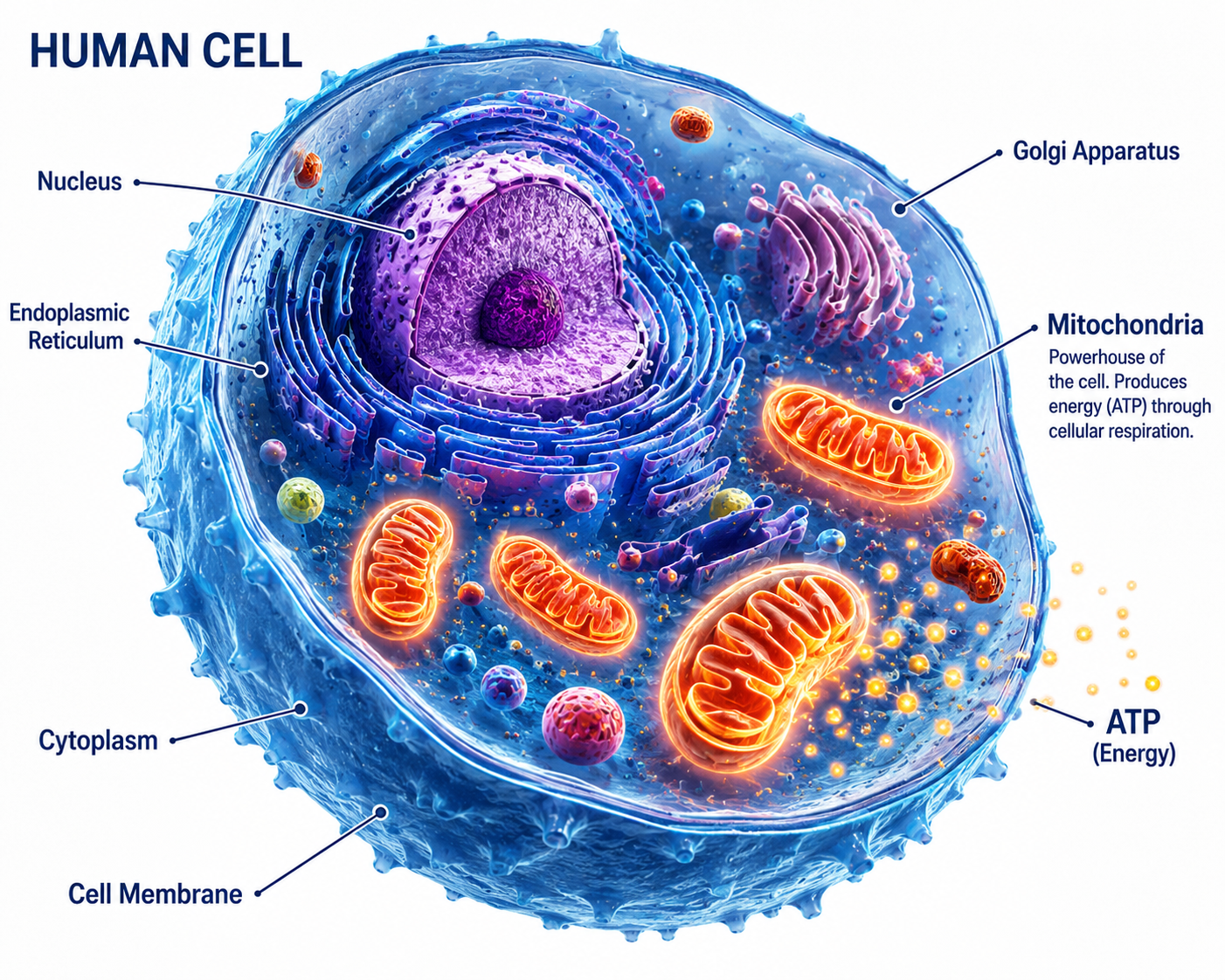
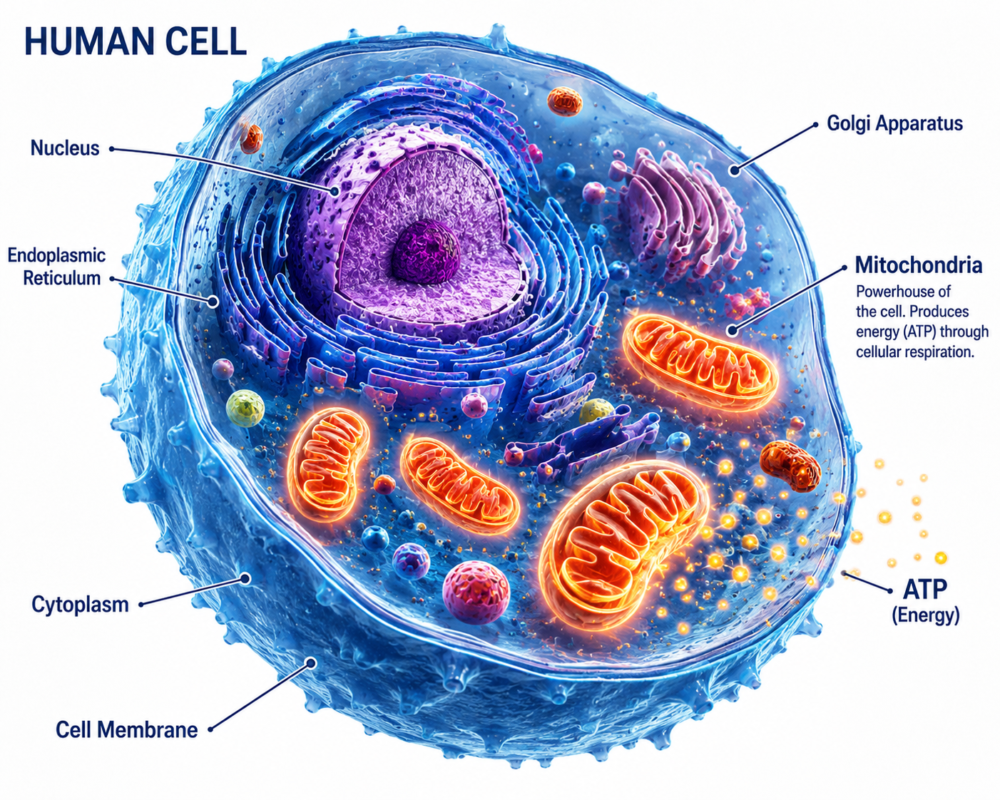
MOTS-c is a naturally occurring peptide produced inside the mitochondria, the structures often referred to as the “powerhouses” of cells. Researchers have been studying this peptide because of its potential role in regulating metabolism, cellular energy production, and the body’s response to physical stress.
Rather than acting like a traditional hormone, MOTS-c functions as a signaling molecule that helps cells adapt to changing energy demands. During periods of exercise or metabolic stress, research suggests that MOTS-c may activate pathways involved in glucose utilization and energy balance.
Although scientific interest continues to grow, many findings are still based on laboratory and animal research. More human clinical studies are needed before firm conclusions can be made.
What Is MOTS-c?
Before understanding what does MOTS-c do , it helps to understand what it is.
MOTS-c is a mitochondrial-derived peptide consisting of 16 amino acids. Unlike most proteins, which are encoded by DNA in the cell nucleus, MOTS-c is encoded by mitochondrial DNA.
Scientists believe this unique origin allows MOTS-c to act as a communication signal between mitochondria and the nucleus, helping cells respond to metabolic challenges.
Its discovery has opened a new area of research focused on mitochondrial signaling and healthy aging.
How Does MOTS-c Work?
Researchers believe MOTS-c influences several important biological processes involved in energy metabolism.
Studies suggest it may:
- Help regulate glucose metabolism
- Encourage cells to use glucose more efficiently
- Support mitochondrial function
- Activate AMPK, an important cellular energy sensor
- Improve the body’s response to metabolic stress
AMPK is often called the body’s “metabolic master switch.” When activated, it encourages cells to produce energy more efficiently while conserving energy during times of stress.
This is one reason MOTS-c has attracted attention in metabolic research.
Potential Benefits of MOTS-c
While research is ongoing, scientists are exploring several possible benefits of MOTS-c.
1. May Support Healthy Metabolism
One of the primary research areas focuses on glucose regulation.
Laboratory studies suggest MOTS-c may help cells absorb glucose more effectively, potentially supporting healthy metabolic function.
2. May Improve Energy Production
Healthy mitochondria are responsible for producing ATP, the body’s primary energy source.
Researchers are investigating whether MOTS-c helps maintain efficient mitochondrial activity during physical and metabolic stress.
3. May Support Exercise Performance
Some animal studies suggest MOTS-c increases physical endurance by improving metabolic flexibility.
Rather than creating additional energy, it may help the body use available energy more efficiently during exercise.
This has generated interest among sports science researchers, although more human studies are necessary.
4. May Promote Healthy Aging
As people age, mitochondrial function naturally declines.
Researchers are investigating whether MOTS-c may help maintain healthier cellular function during aging by improving metabolic regulation and reducing cellular stress.
This remains an active area of scientific investigation.
5. May Help Cells Respond to Stress
Cells constantly experience oxidative and metabolic stress.
Some studies suggest MOTS-c activates protective pathways that help cells adapt to challenging conditions.
Researchers continue to study whether these mechanisms could contribute to healthier aging over time.
MOTS-c and Exercise Performance
Exercise naturally increases the body’s demand for energy.
Researchers have observed that physical activity may influence natural MOTS-c activity, leading scientists to investigate its role in exercise adaptation.
Potential research areas include:
- Improved endurance
- Better metabolic efficiency
- Enhanced recovery
- Increased glucose utilization
Current evidence in humans remains limited, so these findings should be interpreted cautiously.
MOTS-c and Healthy Aging
Healthy aging is one of the most exciting areas of MOTS-c research.
Scientists believe mitochondrial health plays a major role in aging because mitochondria provide energy for nearly every cell in the body.
Research is exploring whether MOTS-c may help maintain healthier mitochondrial communication, potentially supporting:
- Cellular energy production
- Metabolic balance
- Muscle function
- Overall mitochondrial health
These potential benefits remain under investigation and should not be considered established medical effects.

Current Research on MOTS-c
Interest in MOTS-c has grown rapidly over the last several years.
Scientists continue studying its potential role in:
- Metabolic health
- Obesity research
- Exercise physiology
- Mitochondrial biology
- Healthy aging
- Insulin sensitivity
Although early findings are encouraging, most research is still preclinical or in early-stage human studies. Larger clinical trials are needed to better understand safety, effectiveness, and long-term outcomes.
Is MOTS-c FDA Approved?
At this time, MOTS-c is not approved by the U.S. Food and Drug Administration (FDA) for treating or preventing any disease.
Products marketed as MOTS-c are generally intended for research purposes, and consumers should understand that research peptides are not approved medications.
Always consult a qualified healthcare professional before considering any peptide-related product.
Buy MOTS-C 10 mg
Frequently Asked Questions
What does MOTS-c do?
MOTS-c is a mitochondrial-derived peptide being studied for its potential role in energy metabolism, glucose regulation, exercise performance, and healthy aging.
Does MOTS-c increase energy?
Research suggests MOTS-c may support cellular energy metabolism by helping cells use glucose more efficiently, but more human studies are needed.
Is MOTS-c natural?
Yes. MOTS-c is naturally produced by the mitochondria within human cells.
Is MOTS-c safe?
The long-term safety of MOTS-c has not been fully established in humans. Most research remains in early stages.
Can MOTS-c help with weight loss?
Researchers are investigating whether MOTS-c influences metabolic regulation, but there is currently insufficient evidence to conclude that it promotes weight loss in humans.
Final Thoughts
Understanding what MOTS-c does begins with recognizing its unique role as a mitochondrial-derived peptide involved in cellular communication and metabolism. Current research suggests it may influence energy production, glucose utilization, exercise adaptation, and healthy aging through its effects on mitochondrial signaling pathways.
While the scientific findings are promising, much of the evidence is still emerging, and additional human clinical trials are necessary before definitive conclusions can be drawn. As research continues, MOTS-c remains one of the most closely studied mitochondrial peptides in modern metabolic science.