
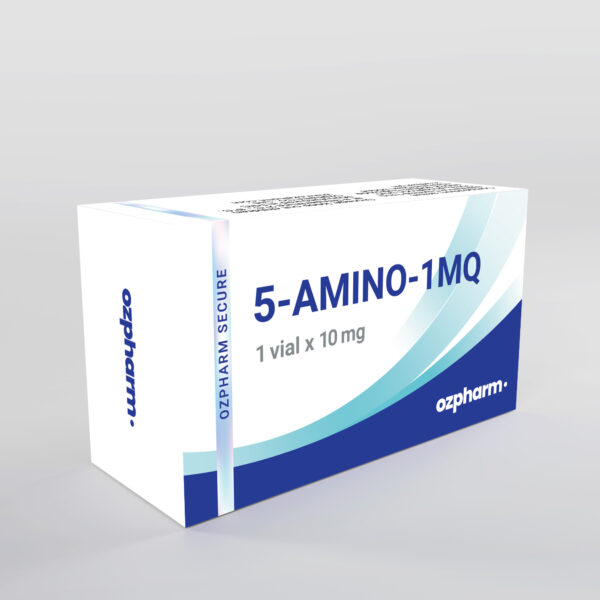
5-Amino 10mg
$99.00
A premium synthetic small-molecule inhibitor of the Nicotinamide N-methyltransferase (NNMT) enzyme. This highly targeted compound blocks NNMT activity, elevating intracellular NAD+ levels and boosting cellular metabolism to provide researchers with a premier model for studying fat cell metabolism, skeletal muscle rejuvenation, and anti-aging cell signaling pathways.
Product overview
5-Amino-1MQ (known chemically as 5-Amino-1-methylquinolinium) is a highly selective, membrane-permeable small molecule designed to inhibit Nicotinamide N-methyltransferase (NNMT). NNMT is a vital cytosolic enzyme found heavily in liver and adipose (fat) tissues, which plays a major role in regulating energy expenditure and systemic cell metabolism. By blocking NNMT activity, 5-Amino-1MQ acts as a key molecular trigger to increase intracellular NAD+ (nicotinamide adenine dinucleotide) levels, helping investigators study energy production and metabolic health.
At Titan Labs, we supply this advanced small-molecule agent in a highly stable, purified powder form, verified at over 99% purity via HPLC. Unlike general metabolic stimulants, 5-Amino-1MQ operates on a precise enzymatic level, allowing researchers to observe clean, reproducible metabolic shifts, muscle fiber restoration, and lipid breakdown assays in controlled laboratory environments.
What is 5-Amino-1MQ?
5-Amino-1MQ is an engineered methylquinolinium derivative that selectively targets and binds to the active substrate pocket of the NNMT enzyme. In standard biological systems, NNMT is responsible for transferring a methyl group from S-adenosylmethionine (SAM) to nicotinamide, which ultimately limits the amount of nicotinamide available to enter the NAD+ salvage pathway.
When NNMT is overexpressed, it depletes cellular energy reserves and slows down metabolic rate. By introducing 5-Amino-1MQ, researchers can inhibit this enzyme, effectively redirecting nicotinamide back into the salvage pathway to increase NAD+ and Sirtuin-1 (SIRT1) activity. This process simulates a high-energy metabolic state at the cellular level without requiring calorie restriction or introducing systemic stimulants.
Mechanisms of NNMT Inhibition and Cellular Energy
In metabolic and biochemical research, 5-Amino-1MQ is studied for its direct influence on tissue-specific energy pathways. Its molecular actions are analyzed through several pathways:
Activation of the NAD+ Salvage Pathway
Inhibiting NNMT prevents the destruction of nicotinamide, directly boosting the synthesis of NAD+, which is crucial for cellular respiration and mitochondrial health.
Upregulation of Sirtuin-1
Higher NAD+ levels turn on SIRT1 pathways (often called the longevity gene), which regulate metabolic rate, defend cells against oxidative stress, and assist in DNA repair.
Adipose Tissue Reprogramming
In lipid assays, blocking NNMT increases energy expenditure within white adipose tissue, shifting cells from fat-storing reservoirs to fat-burning units.
Muscle Stem Cell Rejuvenation
Research in aged animal models shows that inhibiting NNMT supports the proliferation, fusion, and overall regenerative capacity of muscle stem cells (myoblasts).
5-Amino-1MQ Benefits
In laboratory testing and animal metabolic models, the documented benefits of 5-Amino-1MQ include:
-
Boosts Cellular NAD+ Levels: Directly stimulates the NAD+ salvage pathway, enhancing mitochondrial energy production.
-
Accelerates Lipolysis and Fat Breakdown: Promotes the cellular oxidation of stored lipids and prevents the formation of new fat cells.
-
Enhances Lean Muscle Repair: Activates muscle stem cells to support repair, growth, and the reversal of age-related muscle wasting.
-
No Nervous System Stimulation: Unlike caffeine or other fat burners, it does not alter heart rate or cause jittery nervous system responses.
-
Supports Metabolic Balance: Helps reverse metabolic dysfunction and insulin resistance signaling in high-fat-diet animal models.
5-Amino-1MQ Side Effects
While highly selective in its targeting, research models utilizing 5-Amino-1MQ should be observed for potential secondary effects:
-
Mild Gastrointestinal Fluctuations: Systemic energy shifts can occasionally cause minor digestive variances in animal subjects.
-
Vascular Fluctuations: Rapid changes in cellular energy substrate levels can lead to transient shifts in blood pressure or mild dizziness.
-
Temporary Fatigue: Some models exhibit brief drops in baseline physical activity during initial metabolic adaptation phases.
-
Dryness or Increased Thirst: Higher metabolic rates may accelerate fluid turnover, requiring adequate hydration in testing models.
Key Features
-
Premium, high-purity 5-Amino-1MQ (99%+ HPLC verified)
-
Selective NNMT inhibitor designed to raise NAD+ without stimulant side effects
-
Micro-crystalline powder formulation optimized for laboratory stability and solubility
-
Essential reference standard for research in obesity, sarcopenia, and cellular aging
-
Manufactured under strict, sterile analytical-grade protocols
Primary Uses in Research
This compound is widely used for:
-
Investigating metabolic flux and methylation dynamics within adipose and muscle tissues
-
Evaluating the impact of NNMT inhibition on mitochondrial respiration and cellular ATP levels
-
Studying myoblast differentiation and muscle tissue repair in aging animal subjects
-
Analyzing downstream gene expression changes related to the SIRT1 and AMPK pathways
-
Modeling potential therapeutic approaches for obesity, type 2 diabetes, and muscle atrophy
How to Use 5-Amino-1MQ
To prepare this small molecule for research applications, calculate the precise dosage required for your in vitro cell culture or animal model weight. 5-Amino-1MQ is highly soluble in polar organic solvents like Dimethyl Sulfoxide (DMSO) and can also be dissolved in water or dilute acidic buffers depending on your specific assay requirements.
Gently introduce the desired solvent into the vial. Allow the mixture to sit for several minutes, then roll or swirl the vial gently until the crystalline powder is completely dissolved into a clear, uniform liquid. Avoid high-heat sterilization methods that could degrade the molecular structure. Always follow standard aseptic laboratory techniques during preparation.
Product Specifications
-
Device Type: Lyophilized Raw Powder / Analytical Reference Standard
-
Active Compound: 5-Amino-1-methylquinolinium chloride (5-Amino-1MQ)
-
CAS Number: 42464-96-0
-
Chemical Formula: C10H11N2
-
Molecular Weight: 159.21 g/mol
-
Intended Use: Scientific Laboratory Research and Development
-
Brand: Titan Labs
-
Purity Standard: Exceeds 99% via High-Performance Liquid Chromatography (HPLC)
Storage Guidelines
Store un-reconstituted 5-Amino-1MQ powder in a dark, dry freezer at -20 degrees Celsius for long-term storage (up to 24 months). If scheduled for immediate use within 3 months, the dry powder can be safely stored in a refrigerator at 2 to 8 degrees Celsius. Keep the vial sealed tightly and completely protected from humidity, direct UV light, and heat. Once reconstituted into liquid form, keep the solution refrigerated at 2 to 8 degrees Celsius and use within 30 days.
Related Category
Elite small molecule for metabolic pathway mapping, targeted NNMT inhibition, cellular energy enhancement, and anti-aging research. Browse our Peptides and Small Molecules category.
Related Products
-
BPC-157 5mg – Premium Tissue Healing Peptide
-
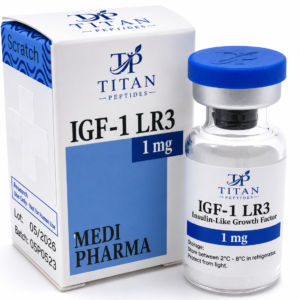
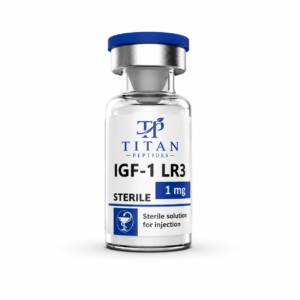
IGF-1 LR3 1mg – High-Purity Tissue Growth Standard
-
TB-500 5mg – High-Purity Thymosin Beta-4 Peptide
-
HGH Frag 5mg – Targeted Lipolytic Peptide Standard
Frequently Asked Questions
What makes 5-Amino-1MQ different from standard fat burners?
Standard fat burners are stimulants that artificially increase heart rate and energy expenditure via the central nervous system. 5-Amino-1MQ does not affect the nervous system; instead, it works on a cellular level by blocking the NNMT enzyme, which naturally increases NAD+ levels and forces fat cells to burn energy directly.
How does NNMT inhibition help with aging muscle?
NNMT levels rise as muscle tissue ages, which reduces NAD+ levels and causes muscle stem cells to go dormant. By inhibiting NNMT with 5-Amino-1MQ, cellular NAD+ is restored, waking up dormant muscle stem cells and enabling them to repair, regenerate, and grow new muscle fibers.
What is the best solvent to dissolve 5-Amino-1MQ powder?
For laboratory research, 5-Amino-1MQ dissolves highly efficiently in DMSO. Depending on your assay, it can also be dissolved in sterile water, saline solutions, or diluted acids. Ensure complete dissolution before starting any test runs.
Does 5-Amino-1MQ cause blood sugar crashes?
Unlike some insulin-mimicking peptides, 5-Amino-1MQ regulates metabolism through mitochondrial and NAD+ pathways. While it improves overall insulin sensitivity in metabolic animal models, it does not typically cause rapid, unexpected drops in blood sugar.
Conclusion
5-Amino-1MQ from Titan Labs offers the reliable chemical purity, targeted enzymatic control, and high bio-activity needed for advanced metabolic and cellular aging research. Choosing our premium, HPLC-tested formulation ensures highly accurate data and reproducible results for your laboratory’s studies. Pair this elite NNMT inhibitor with our cellular repair peptides to explore advanced muscle and tissue regeneration pathways. Browse our full Peptides and Small Molecules catalog, or choose from the related listings above to complete your research order today!
Be the first to review “5-Amino 10mg”
Related products


Reviews
There are no reviews yet.