
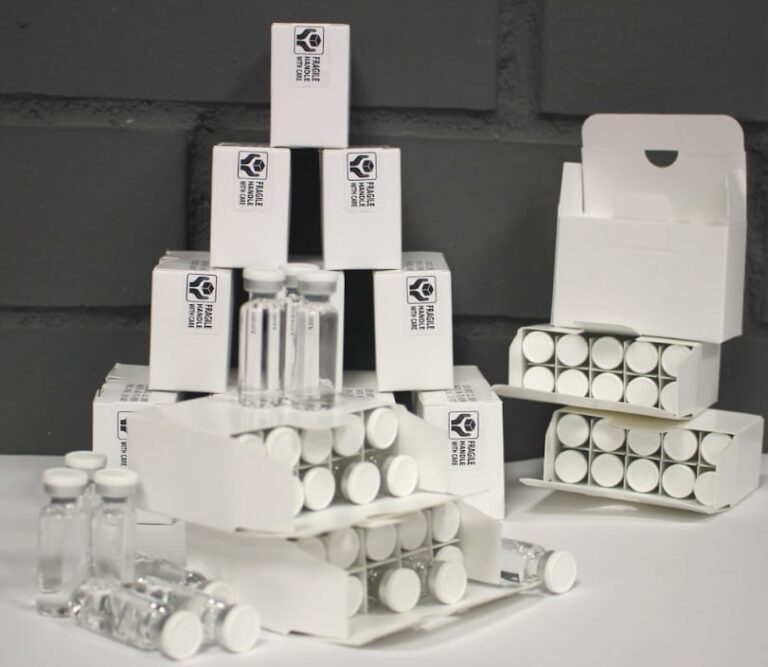
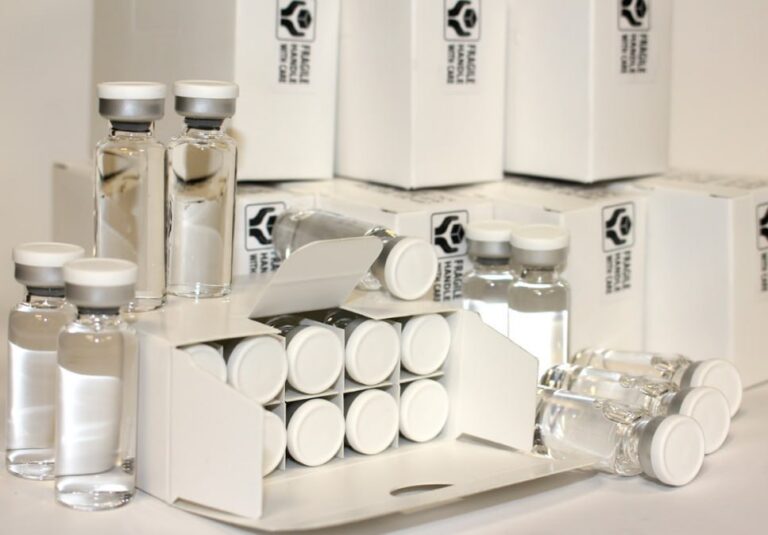
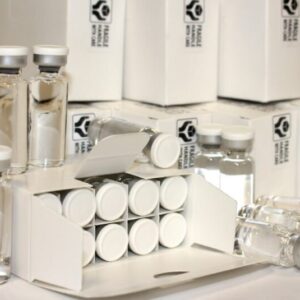
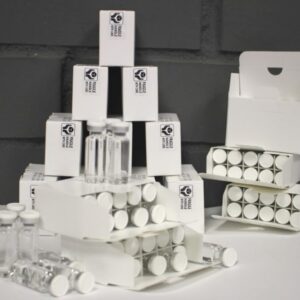
White Label – HGH Somatropin (Liquid)
$130.00
An advanced collection of high-purity, synthetic Growth Hormone Secretagogues (GHS) designed for laboratory research. These masterfully engineered peptides selectively target pituitary and hypothalamic pathways to stimulate endogenous human growth hormone (HGH) secretion, making them crucial reference tools for investigating cellular repair, muscle metabolism, and tissue recovery.
Product Overview
Growth Hormone Secretagogues (GHS)—collectively studied as HGH Peptides—comprise a highly specialized group of synthetic peptide molecules designed to trigger the natural secretion of human growth hormone (somatotropin) in biological systems. Unlike exogenous recombinant HGH, which replaces natural hormone levels and can suppress endogenous endocrine function, these peptides interact directly with specific biological pathways to stimulate the pituitary gland’s natural release mechanism. This critical distinction makes them premier reference materials for investigating cellular repair, metabolism, and endocrine signaling.
To accommodate precise laboratory protocols, Titan Labs offers an elite, HPLC-verified collection of these advanced signaling molecules in ultra-pure, lyophilized (freeze-dried) powder form. By preserving these compounds at a purity rating exceeding 99%, researchers can isolate and observe exact cellular responses, receptor affinity metrics, and tissue recovery kinetics without the confounding variables of heavy metals, structural degradation, or chemical impurities.
Understanding HGH Peptides: Mechanism of Action
In scientific research, HGH-secreting peptides are categorized into two primary pathways, each interacting with a distinct class of receptors to drive the pulstile release of growth hormone:
-
Growth Hormone-Releasing Hormone (GHRH) Mimetics: Compounds like Sermorelin and CJC-1295 bind directly to GHRH receptors on the pituitary somatotrope cells. This binding initiates a cascade that triggers the synthesis and cyclic release of endogenous HGH.
-
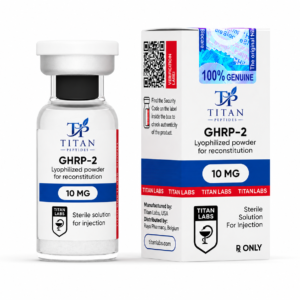
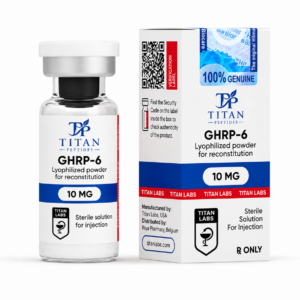
Ghrelin Receptor Agonists (GHRPs): Compounds such as Ipamorelin, GHRP-2, and GHRP-6 target the growth hormone secretagogue receptor (GHS-R1a) in both the pituitary gland and hypothalamus. This dual-action pathway suppresses somatostatin (the hormone that stops HGH release) while multiplying the natural pulse intensity of growth hormone.
By studying these two pathways—often combined in clinical research matrices—investigators can analyze the synergistic bio-amplification that occurs when GHRH and GHRP compounds are administered simultaneously.
High-Purity Kinetics and Bio-Amplification Modeling
In cell assays and animal research models, studying the transport mechanics and signaling speeds of HGH-stimulating peptides provides deep insight into systemic recovery. Because these peptides are synthetic chain sequences of amino acids, they require a sterile liquid medium for reconstitution to establish accurate molecular distribution.
Once introduced to a test model, these compounds initiate rapid intracellular signaling cascades. This rapid absorption allows researchers to observe immediate changes in systemic Insulin-Like Growth Factor 1 (IGF-1) levels—the primary downstream hormone responsible for the cellular regeneration and tissue growth associated with HGH activity. This fast-acting profile provides a compressed timeline for analyzing acute protein synthesis, muscle cell proliferation (myogenesis), and fat metabolism (lipolysis) without the typical delays associated with slow-release hormone therapies.
HGH Peptides Benefits
In biological studies and laboratory tissue models, the documented benefits of premium HGH peptides highlight their massive therapeutic research potential:
-
Natural HGH Secretion: Selectively stimulates the pituitary gland to release endogenous somatotropin, bypassing the endocrine shutdown associated with synthetic HGH.
-
Targeted Tissue Repair: Promotes rapid cellular regeneration, aiding in the investigation of tendon, muscle, and cartilage recovery.
-
Robust Protein Synthesis: Elevates muscle cell nitrogen retention, creating an ideal scientific baseline for studying muscle-wasting diseases.
-
Enhanced Lipolysis (Fat Loss): Accelerates lipid breakdown pathways, prompting test subjects to prioritize fat reserves for metabolic fuel.
-
Deep Slow-Wave Sleep Signaling: Influences central nervous system receptors to promote deeper restorative sleep patterns in animal models, optimizing systemic repair.
HGH Peptides Side Effects
While exceptionally selective, administering HGH secretagogues to biological test models requires careful monitoring of potential adverse markers:
-
Increased Hunger Signaling: GHRPs (especially GHRP-6 and GHRP-2) act as ghrelin mimetics, which can trigger intense appetite stimulation in animal models.
-
Transient Prolactin and Cortisol Spikes: Certain non-selective GHRPs can cause temporary elevations in cortisol and prolactin levels during peak saturation.
-
Water Retention (Edema): Increased growth hormone levels can lead to extracellular fluid retention, requiring precise dosage adjustments.
-
Altered Insulin Sensitivity: Prolonged, high-dose HGH release can temporarily disrupt glucose tolerance, requiring continuous blood sugar tracking in test models.
Key Features
-
Elite selection of premium GHRH and GHRP peptide compounds (including Ipamorelin, Sermorelin, and CJC-1295)
-
Lyophilized white crystalline powder formulation engineered for maximum structural stability
-
Purity standard exceeds 99% verified via High-Performance Liquid Chromatography (HPLC)
-
Excellent reference tools for studying natural HGH amplification, receptor synergy, and tissue repair
-
Strictly manufactured under sterile, analytical-grade laboratory protocols
Primary Uses in Research
These compounds are essential for:
-
Investigating natural endocrine feedback loops and pituitary somatotrope stimulation
-
Studying downstream liver activation and the subsequent systemic release of IGF-1
-
Modeling muscular atrophy, tissue recovery, and accelerated bone density regeneration
-
Analyzing the metabolic impacts of targeted fat oxidation and improved nutrient partitioning
-
Researching the synergistic effects of combining GHRH and GHRP pathways in vivo
How to Use HGH Peptides
To administer these peptides in a laboratory setting, researchers must reconstitute the lyophilized powder. Because these organic compounds are highly sensitive to physical shear forces and heat, they must be handled with care. Inject a suitable solvent, such as Sterile Bacteriostatic Water, slowly down the inside wall of the vial. Do not shake the vial; instead, gently swirl the container until the lyophilized powder completely dissolves into a clear, colorless liquid.
Ensure all mixing tools, scales, and syringes are thoroughly sterilized using aseptic techniques prior to compounding. Keep all reconstituted peptide solutions refrigerated at 2 to 8 degrees Celsius to preserve molecular integrity.
Product Specifications
-
Device Type: Lyophilized Raw Powder / Analytical Reference Standard
-
Active Compounds: Premium GHS Selection (Ipamorelin, Sermorelin, CJC-1295, GHRP-2, GHRP-6)
-
Purity Standard: Exceeds 99% via HPLC and Mass Spectrometry (MS) analysis
-
Intended Use: Scientific Laboratory Research and Development
-
Brand: Titan Labs
-
Form: Sterile, vacuum-sealed glass vials containing lyophilized powder
Storage Guidelines
Store un-reconstituted lyophilized peptide vials in a dark, dry freezer at -20 degrees Celsius for long-term storage (up to 24 months). If used immediately, they can be kept in cold storage at 2 to 8 degrees Celsius for up to 3 months. Protect the compounds from direct exposure to UV light, moisture, and temperature fluctuations. Once reconstituted, always store the liquid solution in a refrigerator at 2 to 8 degrees Celsius and use within 30 days to ensure complete bio-activity.
Related Category
Essential premium compounds for studying natural cellular regeneration, metabolic signaling, and synergistic hormone-releasing pathways. Browse our Peptides category.
Related Products
-
Ipamorelin 5mg – Ultra-Pure Lyophilized Vial
-
CJC-1295 No DAC 5mg – High-Purity GHRH Peptide
-
Sermorelin Acetate 2mg – Analytical Reference Standard Vial
-
BPC-157 10mg – Premium Tissue Healing Peptide
Frequently Asked Questions
What is the difference between GHRH and GHRP peptides? GHRH peptides (like Sermorelin) stimulate the pituitary gland to release a pulse of HGH. GHRP peptides (like Ipamorelin) act as ghrelin receptor agonists to block somatostatin (the stop signal) and increase the intensity of that pulse. Combining both types of peptides creates a highly synergistic release of HGH.
Does Ipamorelin cause intense hunger like GHRP-6? No. Ipamorelin is a highly selective second-generation GHRP. Unlike GHRP-6, it targets the GHS-R1a receptor with extreme precision, meaning it does not cause the severe hunger spikes or elevated cortisol and prolactin levels seen with older compounds.
How should I store reconstituted HGH peptides? Once reconstituted with bacteriostatic water, HGH peptides must be stored in a refrigerator between 2 and 8 degrees Celsius. Keep them away from the freezer compartment to prevent freezing, which will permanently damage the delicate peptide chain.
What is the shelf life of raw lyophilized powder? When stored in its original vacuum-sealed vial in a standard freezer at -20 degrees Celsius, raw lyophilized peptide powder remains stable and maintains its 99% purity for up to 2 years.
Conclusion
HGH Peptides from Titan Labs provide the exceptional chemical purity, structural integrity, and targeted receptor performance required for cutting-edge cellular recovery and endocrine research. By choosing our premium, HPLC-verified formulations, your laboratory eliminates chemical variables and secures clean, highly reproducible clinical data. Combine these elite secretagogues with our advanced tissue repair compounds to optimize your testing protocols. Explore our full Peptides category or select from the related products above to complete your laboratory inventory today!
Be the first to review “White Label – HGH Somatropin (Liquid)”
Related products
Reviews
There are no reviews yet.