

Peptide & Growth Hormone
The Complete Guide to GHRP Peptides
Jul
GHRP peptides have become one of the most widely researched groups of peptide compounds in modern laboratory science. Known as Growth Hormone Releasing Peptides, these synthetic molecules are studied for their ability to interact with receptors involved in growth hormone signalling pathways. Over the past several decades, researchers have investigated GHRP peptides to better understand endocrine function, peptide pharmacology, receptor biology, and cellular communication.
Unlike many individual peptides that serve a single research purpose, GHRP peptides represent an entire family of compounds with similar mechanisms but distinct characteristics. Members of this family include well-known research peptides such as GHRP-2, GHRP-6, and Hexarelin, each possessing unique properties that make them valuable tools in laboratory investigations.
Interest in GHRP peptides continues to expand as scientists explore how these compounds interact with the Growth Hormone Secretagogue Receptor (GHS-R1a). Research has examined their effects on hormone signalling, appetite regulation, receptor activation, and numerous physiological pathways. Although these peptides remain research compounds, they have contributed significantly to our understanding of endocrine biology and peptide science.
This comprehensive guide explains what GHRP peptides are, how they work, the different types available for research, and why they continue to play an important role in scientific investigation. Whether you are new to peptide research or looking to deepen your understanding of Growth Hormone Releasing Peptides, this guide provides a structured overview supported by current scientific knowledge.
Table of Contents
- What Are GHRP Peptides?
- The History of GHRP Peptides
- How GHRP Peptides Work
- Types of GHRP Peptides
- GHRP-2 Overview
- GHRP-6 Overview
- Hexarelin Overview
- Comparing Popular GHRP Peptides
- Current Research Applications
- GHRP Peptides vs Other Growth Hormone Secretagogues
- Frequently Asked Questions
- Conclusion
What Are GHRP Peptides?
GHRP peptides, short for Growth Hormone Releasing Peptides, are a family of synthetic peptide compounds developed for scientific research involving growth hormone signalling and receptor biology. These peptides belong to a broader category of molecules known as growth hormone secretagogues, which are studied for their interaction with the Growth Hormone Secretagogue Receptor (GHS-R1a).
Unlike growth hormone itself, GHRP peptides do not replace or mimic the hormone directly. Instead, laboratory research has shown that they bind to specific receptors involved in signalling pathways associated with hormone release. This distinction has made them valuable tools for studying receptor activation, endocrine communication, and peptide pharmacology.
The defining feature of GHRP peptides is their ability to activate the ghrelin receptor, also known as GHS-R1a. This receptor is found in several tissues and plays an important role in biological processes that extend beyond growth hormone signalling. As a result, researchers continue to investigate how different GHRP peptides influence cellular responses, metabolic pathways, and neuroendocrine mechanisms.
Since the discovery of the earliest Growth Hormone Releasing Peptides, scientists have developed multiple generations of these compounds. While they share a common mechanism of receptor interaction, individual peptides such as GHRP-2, GHRP-6, and Hexarelin differ in structure, receptor affinity, and characteristics observed during laboratory research.
Today, GHRP peptides remain an important area of peptide science. Their well-documented receptor interactions and extensive research history make them valuable reference compounds for studies involving endocrinology, molecular biology, and peptide signalling. As research technologies continue to evolve, these peptides provide scientists with opportunities to explore increasingly detailed aspects of cellular communication and physiological regulation.
The History of GHRP Peptides
The development of GHRP peptides marked a significant advancement in peptide research and endocrinology. Scientists began investigating synthetic growth hormone secretagogues during the late twentieth century while searching for compounds capable of activating the body’s natural growth hormone signalling pathways through receptor-mediated mechanisms rather than administering growth hormone directly.
Early research led to the discovery of the first Growth Hormone Releasing Peptides (GHRPs), demonstrating that small synthetic peptides could stimulate the Growth Hormone Secretagogue Receptor (GHS-R). This discovery opened an entirely new field of peptide research focused on receptor activation, hormone regulation, and cellular signalling.
As scientific understanding expanded, researchers developed new generations of GHRP peptides with unique structural characteristics and varying receptor affinities. Among the most recognised compounds to emerge from this work are GHRP-2, GHRP-6, and Hexarelin, each of which has become widely studied in laboratory settings.
The identification of the ghrelin receptor (GHS-R1a) further accelerated research. Scientists discovered that GHRP peptides interacted with the same receptor later identified as the receptor for ghrelin, a naturally occurring peptide hormone involved in appetite regulation and growth hormone signalling. This finding broadened research beyond endocrinology, leading investigators to examine the role of GHRP peptides in metabolism, neuroscience, cardiovascular biology, and other physiological systems.
Today, GHRP peptides remain among the most extensively researched peptide families. Decades of laboratory investigation have provided valuable insights into receptor biology, peptide pharmacology, intracellular signalling, and endocrine communication. Their continued use in scientific research has contributed to a deeper understanding of peptide-based signalling pathways and the complex interactions that regulate physiological processes.
How GHRP Peptides Work
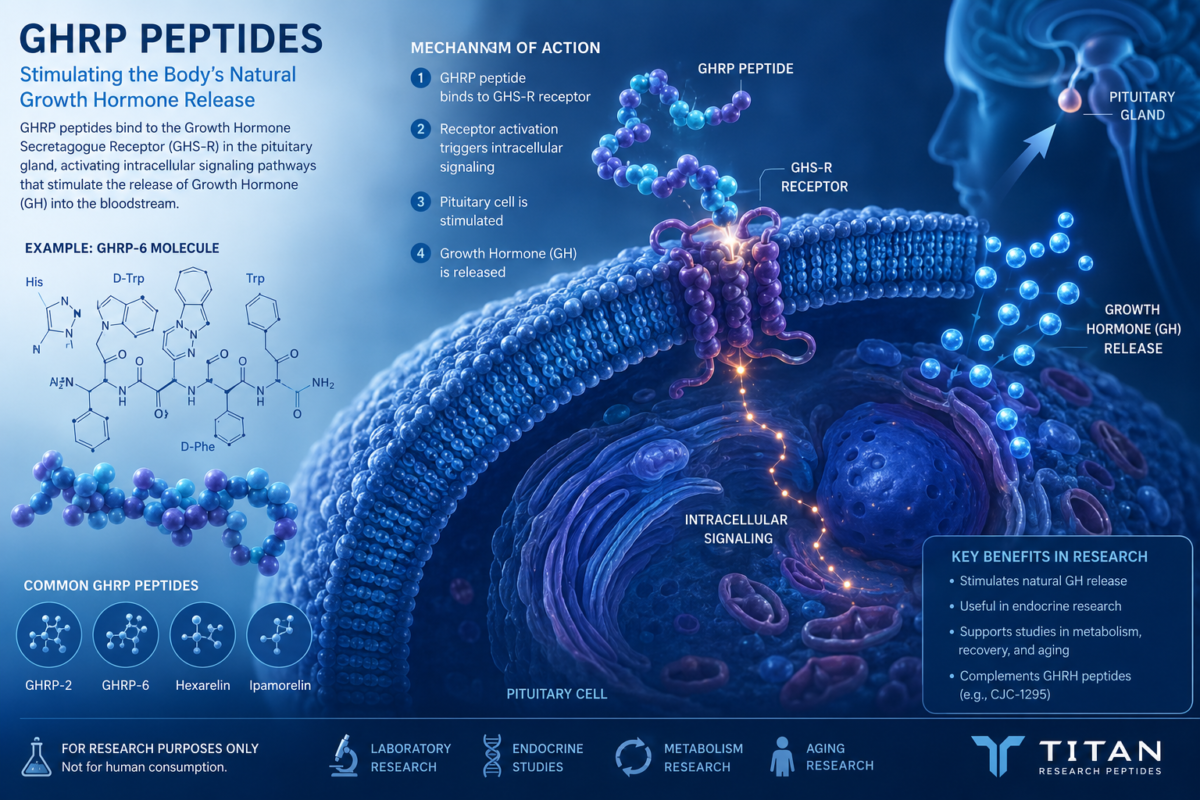
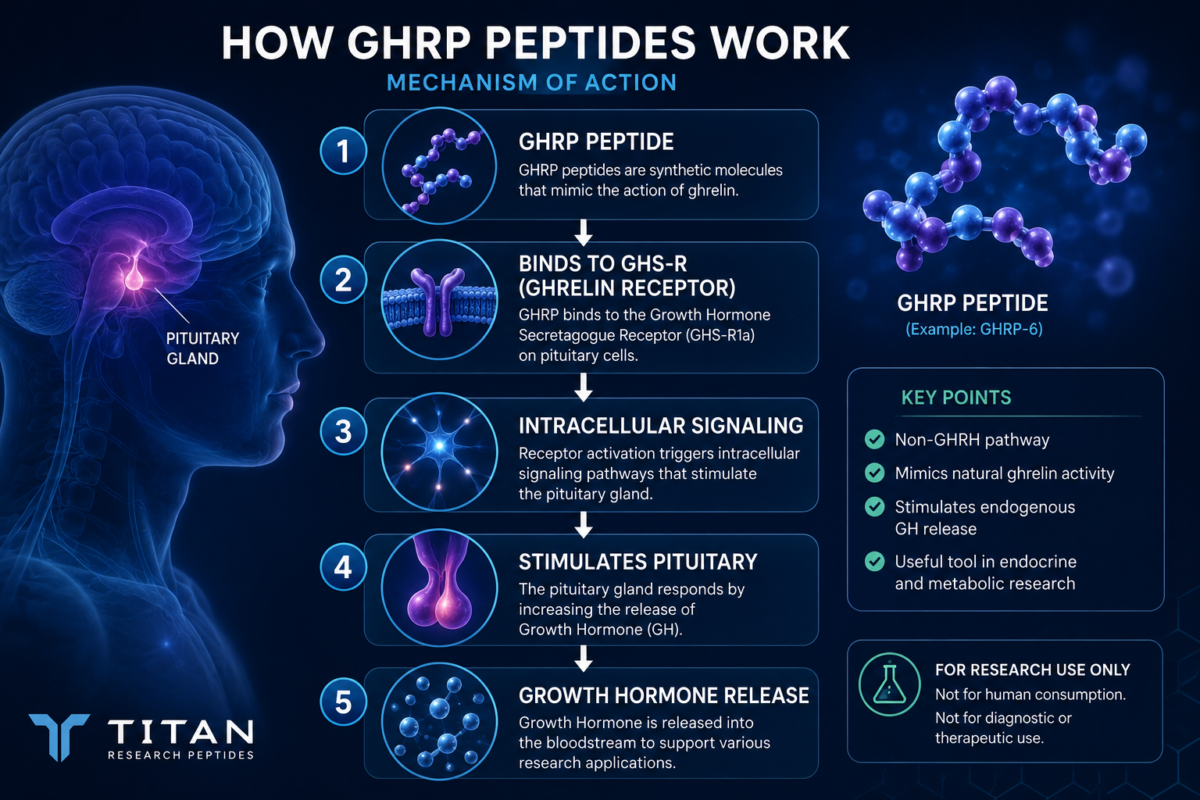
Understanding how GHRP peptides work begins with understanding the role of the Growth Hormone Secretagogue Receptor (GHS-R1a). This receptor is found in several tissues throughout the body and serves as the primary target for Growth Hormone Releasing Peptides during laboratory research.
When a GHRP peptide binds to the GHS-R1a receptor, it activates a series of intracellular signalling pathways. These signalling events are believed to influence the release of growth hormone from specialised cells within the anterior pituitary gland under research conditions. Unlike recombinant growth hormone, which introduces the hormone directly, GHRP peptides are studied for their ability to activate the body’s own signalling mechanisms through receptor interaction.
One of the reasons GHRP peptides continue to attract scientific interest is that their activity extends beyond a single biological pathway. Research has shown that the GHS-R1a receptor participates in multiple physiological systems, including those associated with appetite regulation, energy balance, gastrointestinal function, and neuroendocrine communication. Because of this broad receptor distribution, investigators continue to explore how different GHRP peptides influence various cellular responses.
Although all members of the GHRP family interact with the same receptor, they do not behave identically. Differences in molecular structure affect receptor binding affinity, signalling strength, and pharmacological characteristics. These differences explain why compounds such as GHRP-2, GHRP-6, and Hexarelin are often examined separately despite belonging to the same peptide family.
From a scientific perspective, GHRP peptides provide researchers with valuable tools for investigating receptor activation, hormone signalling pathways, and peptide pharmacology. Their relatively well-characterised mechanisms have made them important reference compounds in laboratories studying endocrine regulation and molecular biology.
Key Characteristics of GHRP Peptides
| Characteristic | Description |
|---|---|
| Peptide Family | Growth Hormone Releasing Peptides (GHRPs) |
| Primary Target | Growth Hormone Secretagogue Receptor (GHS-R1a) |
| Research Category | Synthetic research peptides |
| Main Area of Study | Endocrine signalling and receptor biology |
| Common Members | GHRP-2, GHRP-6, Hexarelin |
| Research Fields | Endocrinology, molecular biology, peptide pharmacology, receptor signalling |
Why GHRP Peptides Continue to Be Studied
The continued scientific interest in GHRP peptides is driven by their versatility as research compounds. Their ability to activate a well-defined receptor while influencing multiple signalling pathways allows researchers to investigate a wide range of biological questions using a common peptide family.
Modern laboratory studies examine GHRP peptides in areas such as:
- Growth hormone signalling pathways
- Receptor activation and regulation
- Peptide pharmacology
- Neuroendocrine communication
- Cellular signalling mechanisms
- Endocrine system research
- Metabolic pathway investigations
As peptide science advances, researchers continue to compare different GHRP molecules to better understand how subtle structural changes influence receptor activity and downstream biological responses. These investigations contribute to a growing body of scientific knowledge surrounding peptide-based signalling and receptor function.
Types of GHRP Peptides
Although all GHRP peptides belong to the same family of Growth Hormone Releasing Peptides, each compound possesses unique structural characteristics and research properties. These differences influence receptor affinity, signalling behaviour, and the types of laboratory investigations in which they are commonly studied.
The most recognised members of the GHRP peptide family are GHRP-2, GHRP-6, and Hexarelin. While each peptide interacts with the Growth Hormone Secretagogue Receptor (GHS-R1a), researchers continue to investigate how their molecular differences affect biological activity under controlled laboratory conditions.
Understanding the similarities and distinctions between these compounds is important for anyone studying GHRP peptides, as each peptide contributes unique insights into endocrine signalling and receptor biology.
GHRP-2
GHRP-2 is one of the best-known GHRP peptides used in scientific research. Developed as a second-generation Growth Hormone Releasing Peptide, it has been widely investigated for its interaction with the Growth Hormone Secretagogue Receptor and its role in hormone signalling pathways.
Researchers often study GHRP-2 because of its strong receptor affinity and predictable laboratory characteristics. Over the years, it has been included in numerous studies exploring endocrine communication, peptide pharmacology, and molecular signalling mechanisms.
Scientific investigations involving GHRP-2 have examined topics such as:
- Growth hormone signalling pathways
- Receptor activation
- Endocrine regulation
- Peptide pharmacology
- Cellular communication
- Molecular biology research
Because of its extensive research history, GHRP-2 remains an important reference peptide for laboratories investigating Growth Hormone Releasing Peptides.
GHRP-6
Among all GHRP peptides, GHRP-6 is one of the most recognised compounds within the scientific community. It has been extensively studied for its interaction with the GHS-R1a receptor and continues to play an important role in peptide research.
Like other Growth Hormone Releasing Peptides, GHRP-6 functions by binding to the Growth Hormone Secretagogue Receptor rather than acting as growth hormone itself. This mechanism makes it valuable for researchers investigating receptor biology and endocrine signalling.
In laboratory settings, GHRP-6 has been examined in studies involving:
- Growth hormone signalling
- Ghrelin receptor activation
- Appetite-related pathways
- Endocrine function
- Cellular signalling
- Peptide receptor pharmacology
Its well-documented research profile has made GHRP-6 one of the most frequently discussed peptides within the Growth Hormone Releasing Peptide family.
Hexarelin
Hexarelin represents another important member of the GHRP peptides family. It is recognised for its high affinity for the Growth Hormone Secretagogue Receptor and has been investigated in a variety of scientific disciplines.
Researchers frequently compare Hexarelin with GHRP-2 and GHRP-6 to better understand how structural differences influence receptor activation and downstream signalling pathways.
Scientific literature involving Hexarelin includes research related to:
- Endocrine signalling
- Peptide pharmacology
- Cardiovascular research
- Molecular biology
- Cellular communication
- Growth hormone secretagogue mechanisms
Because of its distinct characteristics, Hexarelin provides researchers with additional opportunities to study receptor function and peptide activity across multiple biological systems.
Comparing the Most Common GHRP Peptides
| Peptide | Research Focus | Primary Receptor | Common Laboratory Applications |
|---|---|---|---|
| GHRP-2 | Endocrine signalling | GHS-R1a | Hormone signalling, receptor biology |
| GHRP-6 | Receptor activation | GHS-R1a | Endocrine studies, peptide pharmacology |
| Hexarelin | Cellular signalling | GHS-R1a | Molecular biology, cardiovascular research |
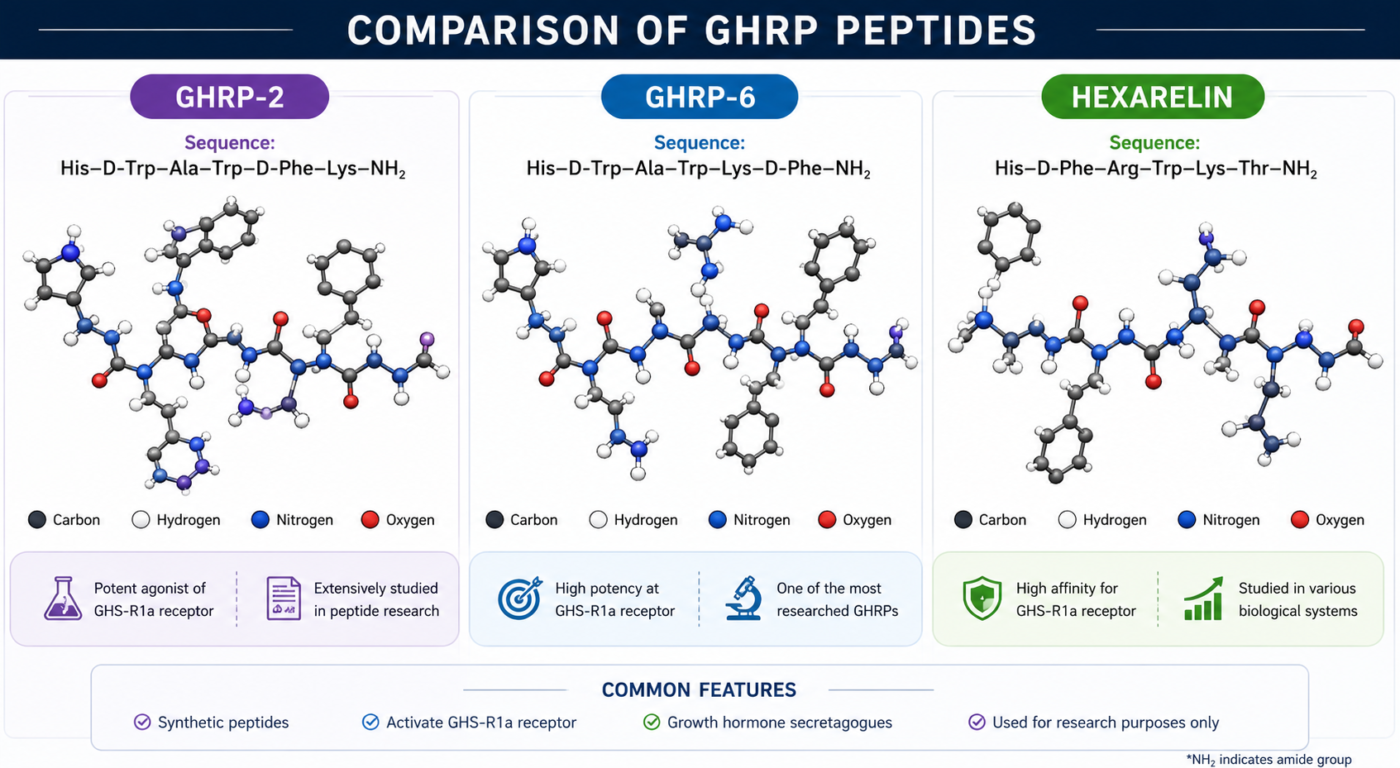
Although these GHRP peptides belong to the same family, researchers select individual compounds based on the objectives of a particular study. Comparing their characteristics allows scientists to better understand receptor behaviour and peptide structure–activity relationships.
Why Understanding Different GHRP Peptides Matters
Each member of the GHRP peptides family contributes unique information to peptide science. While all three compounds activate the same receptor, their structural differences allow researchers to investigate how small molecular changes can influence receptor binding, intracellular signalling, and physiological responses.
This comparative approach has helped scientists expand their understanding of peptide pharmacology and has established GHRP peptides as one of the most thoroughly investigated classes of synthetic research peptides.
As peptide research continues to evolve, studies comparing GHRP-2, GHRP-6, and Hexarelin remain valuable for advancing knowledge in endocrinology, receptor biology, and molecular medicine.
Current Research Applications of GHRP Peptides
The versatility of GHRP peptides has made them an important subject of investigation across multiple scientific disciplines. Because these synthetic peptides interact with the Growth Hormone Secretagogue Receptor (GHS-R1a), researchers continue to examine their role in endocrine signalling, receptor biology, and cellular communication.
It is important to note that GHRP peptides are intended for laboratory research purposes only. Scientific studies are designed to improve understanding of biological processes and peptide pharmacology rather than establish therapeutic use.
Over the years, researchers have explored several key areas of interest involving GHRP peptides.
Endocrine Research
One of the primary areas of investigation involves endocrine signalling. Scientists study how GHRP peptides interact with receptors associated with growth hormone regulation and how these interactions influence signalling pathways under laboratory conditions.
Research in this field helps expand knowledge of hormone communication, receptor sensitivity, and peptide-mediated cellular responses.
Peptide Pharmacology
Another major research area focuses on peptide pharmacology. Scientists analyse how different GHRP peptides bind to receptors, how long they remain biologically active during laboratory experiments, and how structural variations influence receptor affinity.
Comparative pharmacology studies often examine:
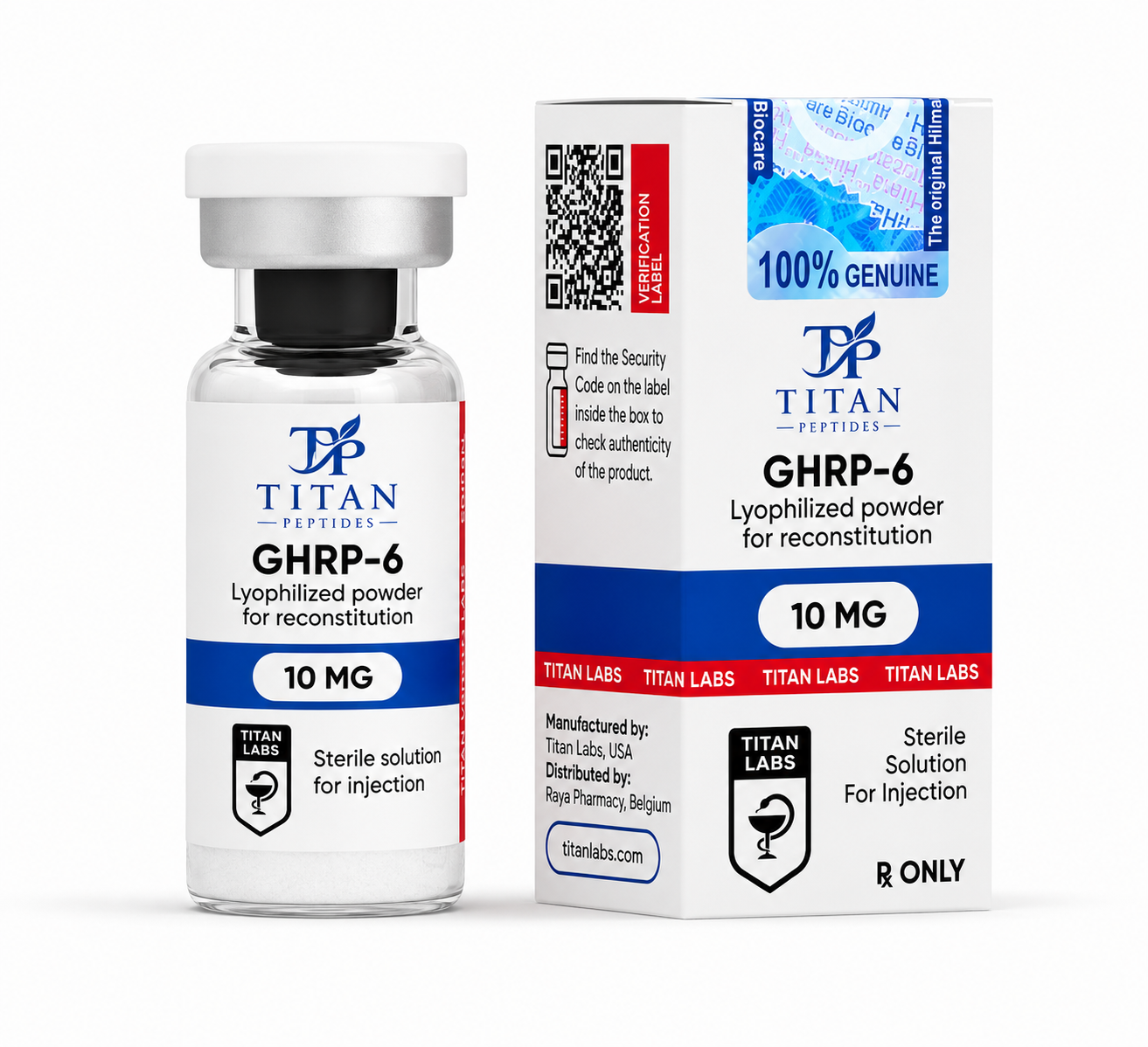
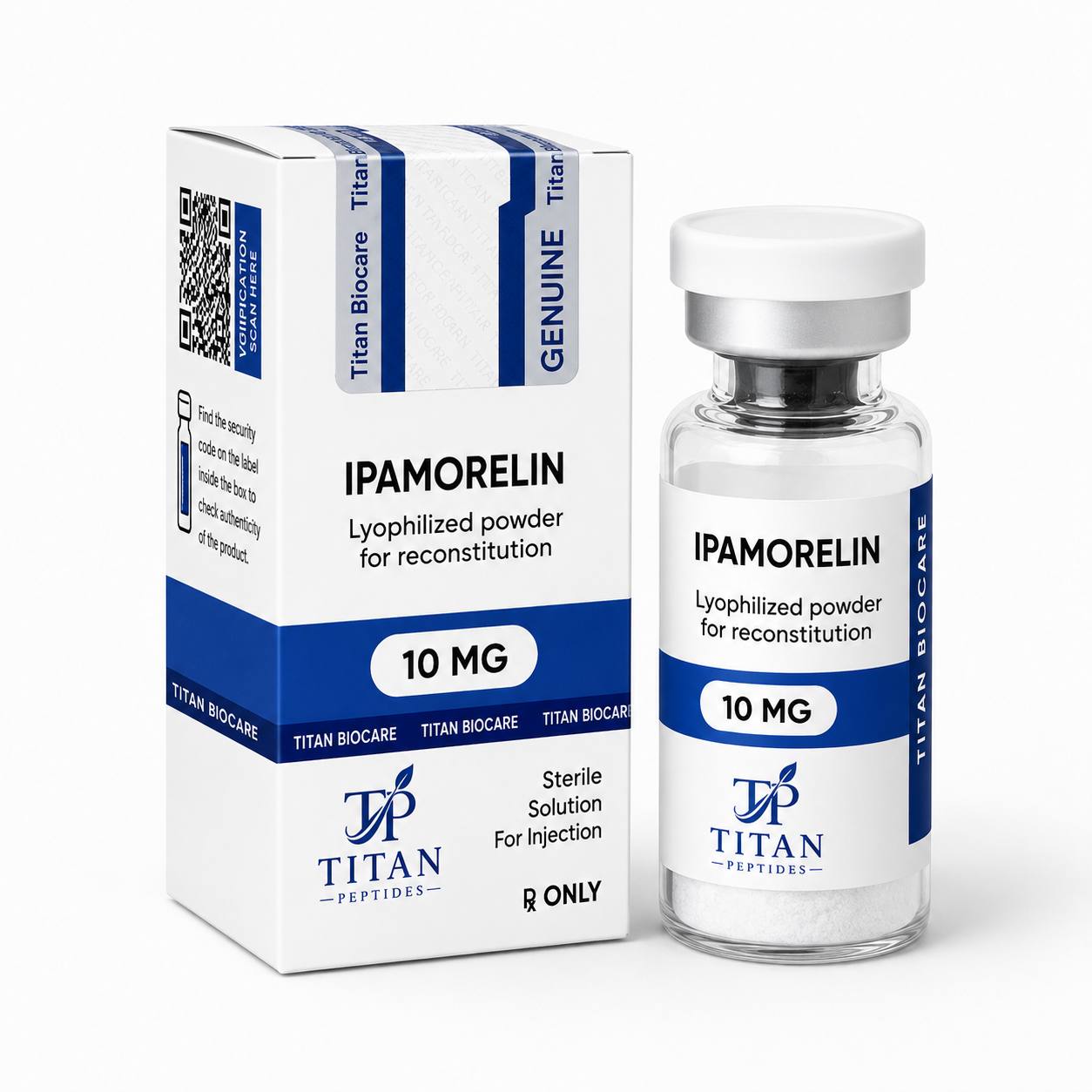
These comparisons contribute valuable information about peptide design and receptor specificity.
Molecular Biology
Researchers also use GHRP peptides when investigating intracellular signalling pathways.
After receptor activation, numerous biological signalling molecules become involved in complex communication networks inside cells. Understanding these pathways helps scientists explain how peptide-receptor interactions influence biological processes at the molecular level.
Modern molecular biology techniques continue to provide deeper insights into these mechanisms.
Receptor Biology
The Growth Hormone Secretagogue Receptor remains one of the most studied peptide receptors in endocrine science.
Research involving GHRP peptides allows scientists to investigate:
- Receptor activation
- Receptor regulation
- Signal transduction
- Ligand binding
- Cellular communication
- Peptide-receptor interactions
This work contributes to a broader understanding of receptor biology across multiple physiological systems.
Comparative Peptide Research
Because numerous Growth Hormone Secretagogues exist, researchers frequently compare individual peptides under similar laboratory conditions.
Comparative studies help identify differences in:
- Molecular structure
- Receptor affinity
- Biological signalling
- Pharmacological characteristics
- Cellular responses
These investigations continue to expand scientific understanding of peptide families and receptor-mediated signalling.
GHRP Peptides vs Other Growth Hormone Secretagogues
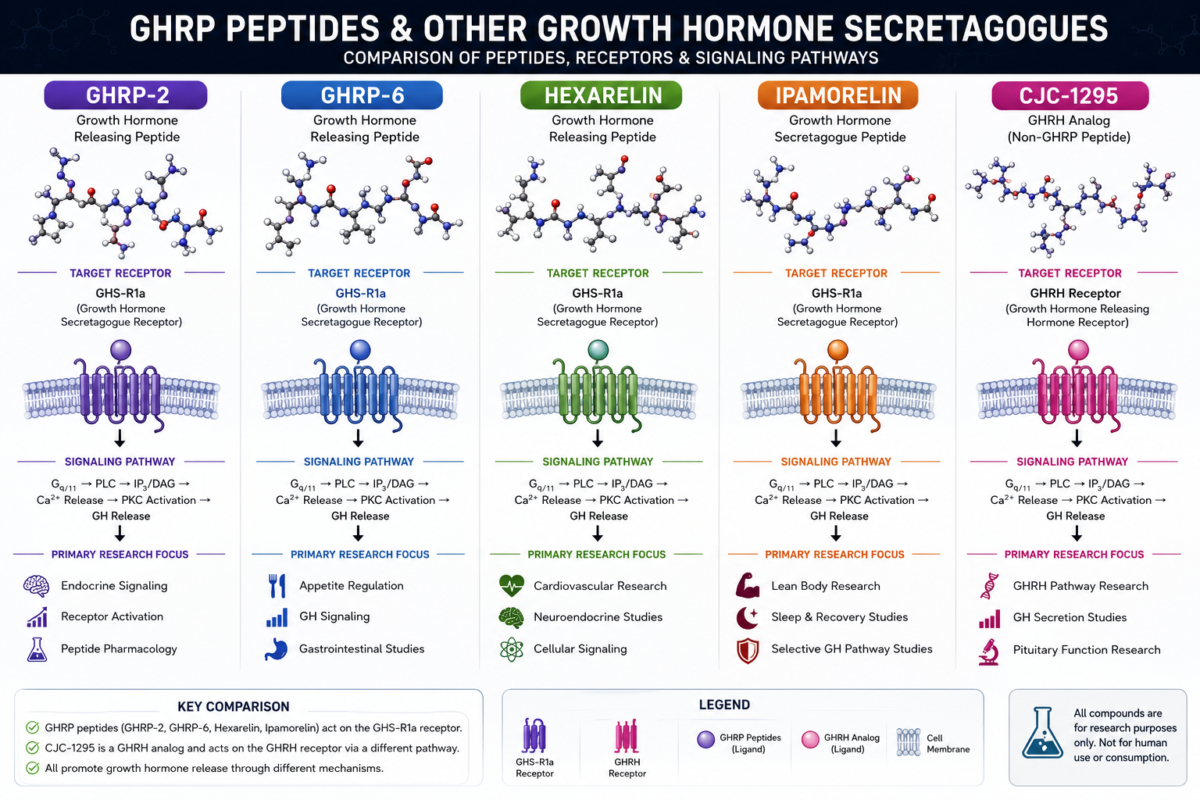
Although GHRP peptides are among the best-known Growth Hormone Secretagogues, they are not the only compounds studied within this category.
Researchers frequently compare GHRP peptides with other peptide families to understand similarities and differences in receptor activation, signalling behaviour, and laboratory characteristics.
GHRP Peptides vs CJC-1295
While GHRP peptides primarily interact with the Growth Hormone Secretagogue Receptor (GHS-R1a), CJC-1295 is investigated for its interaction with the Growth Hormone Releasing Hormone (GHRH) receptor.
Because these peptides act through different biological pathways, researchers often study them separately or compare their signalling mechanisms in laboratory settings.
GHRP Peptides vs Ipamorelin
Ipamorelin is another well-known Growth Hormone Secretagogue frequently compared with traditional GHRP peptides.
Although both interact with the GHS-R1a receptor, Ipamorelin possesses structural differences that distinguish it from GHRP-2, GHRP-6, and Hexarelin.
Researchers compare these peptides to better understand receptor selectivity, signalling behaviour, and molecular pharmacology.
Comparison Table
| Feature | GHRP Peptides | CJC-1295 | Ipamorelin |
|---|---|---|---|
| Classification | Growth Hormone Secretagogues | GHRH Analogue | Growth Hormone Secretagogue |
| Primary Research Target | GHS-R1a Receptor | GHRH Receptor | GHS-R1a Receptor |
| Research Focus | Endocrine signalling | Hormone signalling | Receptor biology |
| Common Examples | GHRP-2, GHRP-6, Hexarelin | CJC-1295 DAC / No DAC | Ipamorelin |
This comparison highlights why researchers often include multiple peptide classes in laboratory investigations. Although these compounds are frequently discussed together, each follows a distinct research pathway and contributes different insights into endocrine and receptor biology.
Related Research Peptides
Researchers interested in GHRP peptides often explore additional peptide families to gain a broader understanding of endocrine signalling and peptide pharmacology.
Related research compounds include:
- GHRP-2
- GHRP-6
- Hexarelin
- Ipamorelin
- CJC-1295 DAC
- CJC-1295 No DAC
- MK-677 (Ibutamoren)
Each of these compounds contributes unique information to peptide research and is frequently referenced alongside GHRP peptides in scientific literature.
Internal Link Suggestions:
- Link MK-677 (Ibutamoren) to its product page if available.
- Link the first mention of each peptide above to its respective product page or category page.
Frequently Asked Questions About GHRP Peptides
What are GHRP peptides?
GHRP peptides, or Growth Hormone Releasing Peptides, are synthetic peptides developed for scientific research. They are primarily studied because they interact with the Growth Hormone Secretagogue Receptor (GHS-R1a), allowing researchers to investigate endocrine signalling, receptor biology, and peptide pharmacology.
How do GHRP peptides work?
GHRP peptides bind to the Growth Hormone Secretagogue Receptor (GHS-R1a). Activation of this receptor initiates intracellular signalling pathways that researchers study to better understand hormone regulation, receptor activation, and cellular communication.
What are the most common GHRP peptides?
The most widely researched GHRP peptides include:
- GHRP-2
- GHRP-6
- Hexarelin
Each peptide has unique structural characteristics and continues to be investigated across multiple areas of peptide science.
What is the difference between GHRP-2 and GHRP-6?
Although both belong to the GHRP peptides family, GHRP-2 and GHRP-6 differ in molecular structure and receptor characteristics. These differences make them valuable for comparative research involving receptor affinity, endocrine signalling, and peptide pharmacology.
For a detailed comparison, read our guide on GHRP-2 vs GHRP-6.
Are GHRP peptides the same as growth hormone?
No.
GHRP peptides are not growth hormone. Instead, they are synthetic research peptides that interact with receptors involved in growth hormone signalling. Researchers study these receptor interactions to improve scientific understanding of endocrine biology.
Are GHRP peptides the same as GHRH peptides?
No.
Although both peptide families are associated with growth hormone signalling, GHRP peptides primarily interact with the Growth Hormone Secretagogue Receptor (GHS-R1a), while GHRH peptides, such as CJC-1295, interact with the Growth Hormone Releasing Hormone (GHRH) receptor.
Why are GHRP peptides important in research?
Scientists continue to study GHRP peptides because they provide valuable insight into:
- Endocrine signalling
- Receptor biology
- Cellular communication
- Molecular pharmacology
- Peptide-receptor interactions
Their extensive research history has made them one of the most recognised peptide families in endocrine science.
Where can researchers learn more about GHRP peptides?
Researchers can explore peer-reviewed scientific literature through databases such as PubMed and the National Center for Biotechnology Information (NCBI), which publish studies related to peptide science, receptor biology, endocrinology, and molecular research.
Conclusion
GHRP peptides remain one of the most extensively studied families of synthetic research peptides in modern endocrine science. Their interaction with the Growth Hormone Secretagogue Receptor (GHS-R1a) has enabled researchers to investigate complex biological pathways involved in hormone signalling, receptor activation, and cellular communication.
Over several decades of laboratory investigation, compounds such as GHRP-2, GHRP-6, and Hexarelin have contributed significantly to scientific understanding of peptide pharmacology and molecular biology. Their unique structural characteristics continue to provide researchers with valuable tools for studying receptor function and intracellular signalling.
As peptide science advances, GHRP peptides remain an important focus of ongoing laboratory research. Continued investigation into these compounds helps expand knowledge of endocrine regulation, peptide-receptor interactions, and biological signalling pathways.
If you are interested in learning more about individual members of this peptide family, explore our detailed guides covering GHRP-6, GHRP-2, Hexarelin, and other research peptides available through Titan Research Peptides.
Further Reading
Continue exploring peptide science with these related articles:
- What Is GHRP-6?
- GHRP-2 vs GHRP-6
- Complete Guide to CJC-1295
- What Is Ipamorelin?
- Understanding Growth Hormone Secretagogues
