
Peptide & Growth Hormone
Where to Get Retatrutide
Jul
Table of Contents
- Introduction
- What is Retatrutide? Understanding the Triple Agonist
- The Mechanisms Explored: GLP-1, GIP, and Glucagon Signaling
- Is Retatrutide Safe? Establishing a Research Baseline
- Synthesis Validation: The Role of HPLC and Mass Spectrometry
- Sourcing: Where to Get Retatrutide Online for Research
- Conclusion
Introduction
As the landscape of metabolic and endocrinology studies evolves rapidly, independent labs require access to the latest multi-receptor chemical agents. Among these, the novel multi-mechanism compound Retatrutide has emerged as a major focus for tracking complex cellular metabolic curves. Researchers are increasingly investigating its unique structure to map out complex weight regulation, insulin response, and tissue-specific lipid handling pathways.
Understanding both the intricate chemical blueprint and the fundamental structural integrity of this agent is absolutely vital for valid dataset replication and robust experimental outcomes. Establishing this baseline is critical before determining exactly where to get retatrutide for your specific institutional needs.
What is Retatrutide? Understanding the Triple Agonist
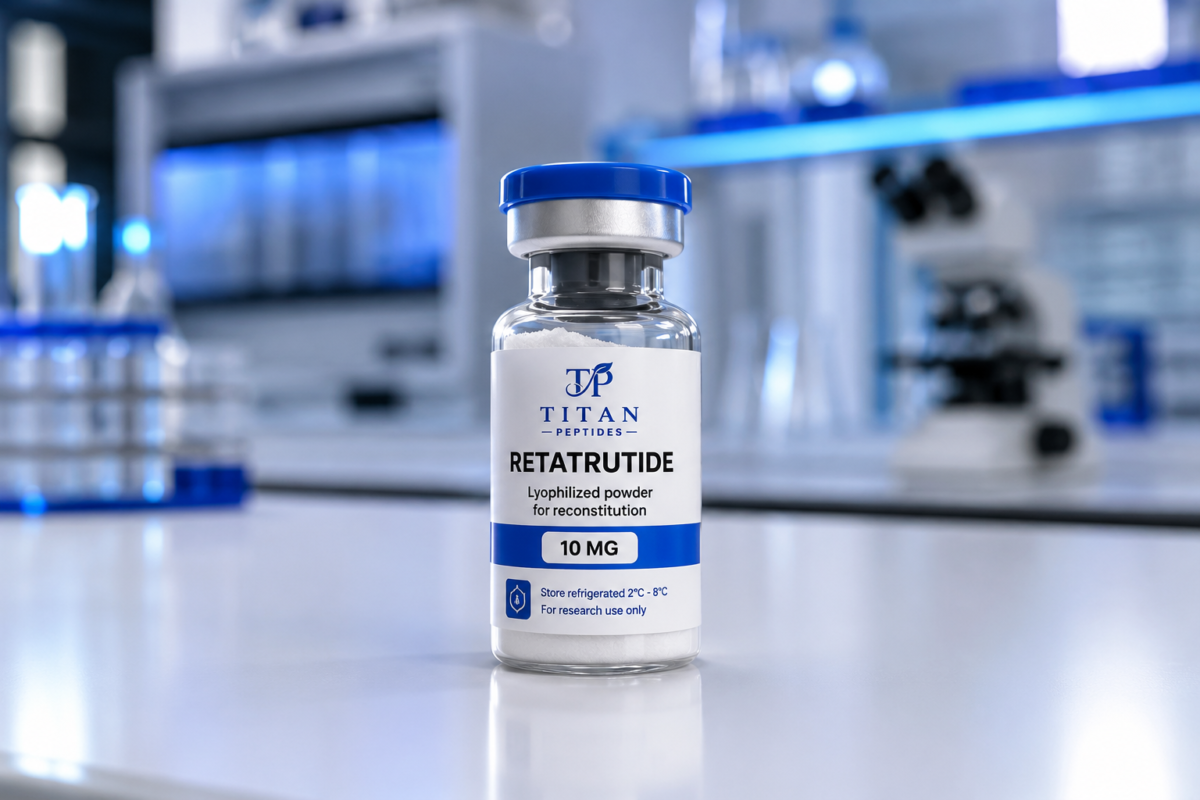
From a strict biochemistry perspective, Retatrutide is an innovative synthetic peptide sequence engineered to target three distinct hormonal signaling lines simultaneously. Unlike older monotherapies or dual-agonist chains, this specific structure acts as a “triple agonist.”
By simultaneously engaging three separate endogenous path structures, it creates a unique bio-chemical interaction model that allows for deep observational research into multi-layered metabolic modulation. Because of this structural complexity, maintaining exact sequence fidelity during the synthesis phase is critical to avoid unpredictable experimental data drift.
The Mechanisms Explored: GLP-1, GIP, and Glucagon Signaling
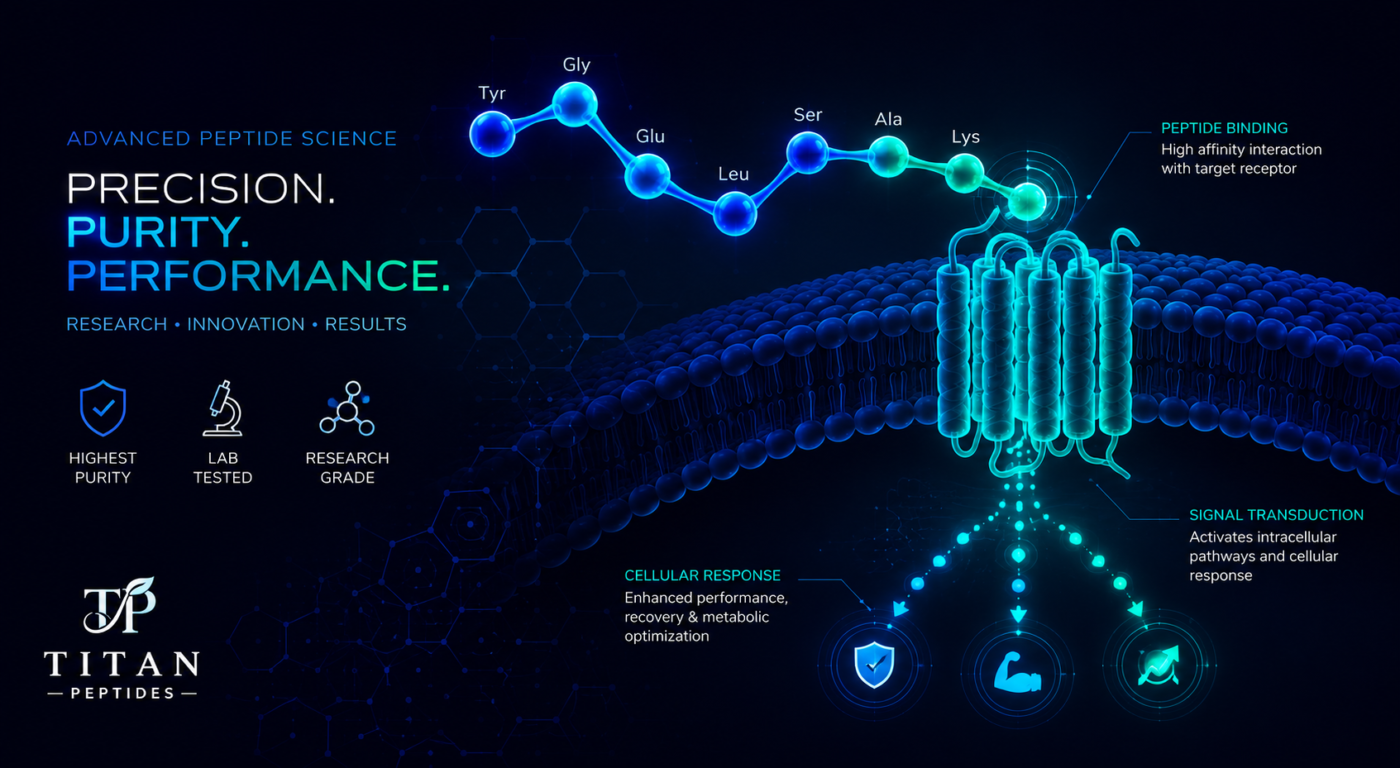
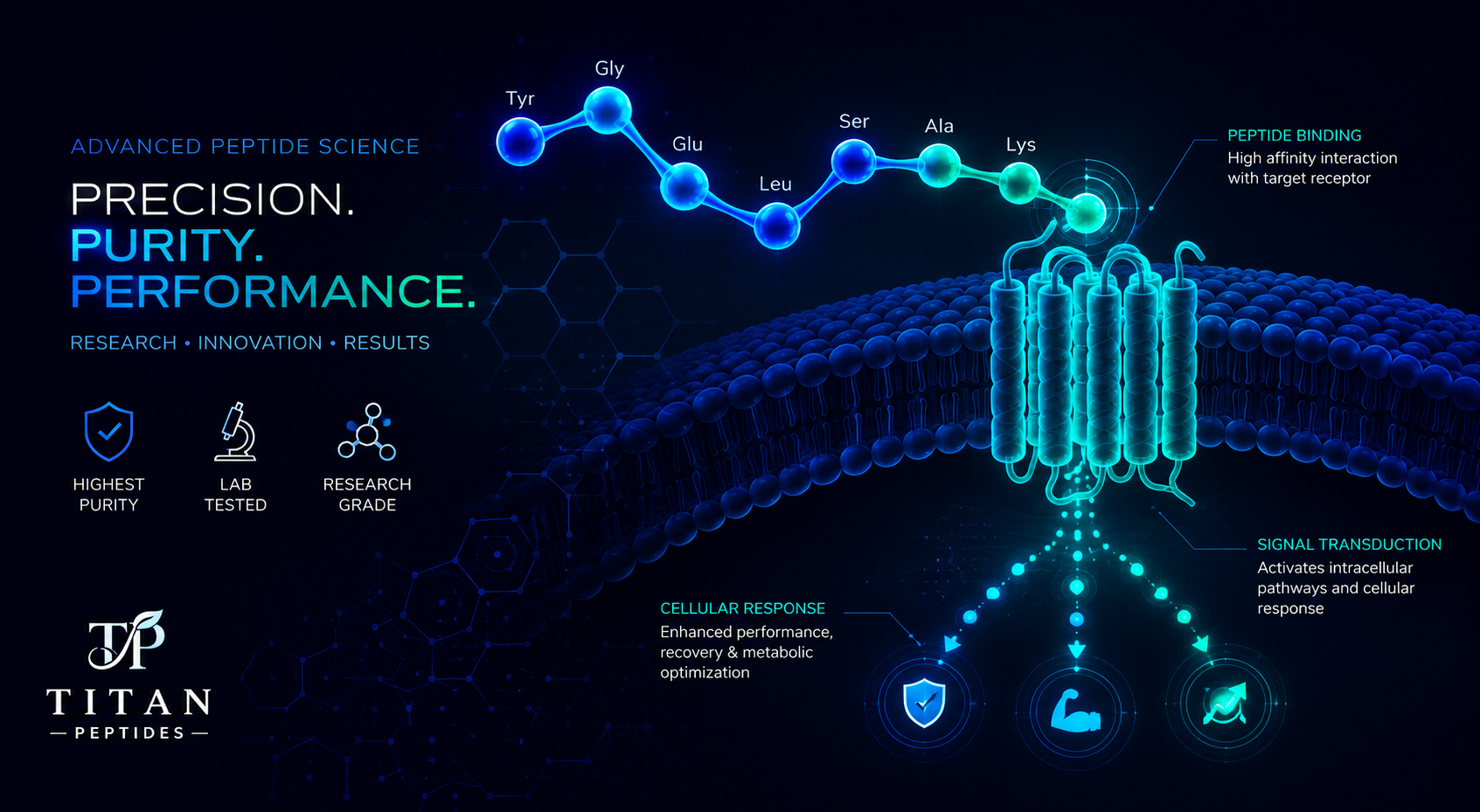
To understand the research value of this compound, it helps to examine exactly how it interacts within an in vitro or in vivo analytical sequence. It binds directly to:
- GLP-1 (Glucagon-like peptide-1) receptors: Modulating early insulin secretion signaling loops and gastric motility models.
- GIP (Glucose-dependent insulinotropic polypeptide) receptors: Enhancing energy balance tracking and protective lipid storage adaptation pathways.
- Glucagon receptors: Promoting localized intracellular cyclic AMP levels, increasing cellular energy expenditure curves, and advancing fatty acid breakdown modeling.
By interacting with this unique triad, the molecule allows researchers to observe multi-pathway interactions that single-target sequences simply cannot replicate.
Is Retatrutide Safe? Establishing a Research Baseline
In any automated analytical assay or controlled laboratory environment, verifying chemical safety profiles and stability parameters is the first priority. Academic literature indicates that Retatrutide presents a highly predictable structural profile when exposed to target cellular cultures, showing no unexpected local cellular toxicity or rapid structural degradation when kept at pristine thermal baselines.
However, because it significantly modulates multiple receptor pathways simultaneously, any external impurities, heavy metal residues, or moisture cross-contamination can heavily distort your tracking results. Achieving pristine results requires deploying reagents that are verified to exceed 99% structural purity through stringent liquid chromatography analysis.

Synthesis Validation: The Role of HPLC and Mass Spectrometry
Because Retatrutide relies on a complex arrangement of amino acids to trigger its triple-agonist response, standard manufacturing methods are insufficient. To ensure that an experimental batch will yield accurate data, it must be validated by two primary analytical gold standards:
- High-Performance Liquid Chromatography (HPLC): This process separates the peptide components to measure exact purity percentages, ensuring no truncated sequences or residual reagents remain in the final cake.
- Mass Spectrometry (MS): This verifies the exact molecular weight of the peptide chain, confirming that the synthesis matches the intended chemical blueprint precisely.
Without these verification metrics, any compound labeled as Retatrutide cannot be relied upon for empirical scientific study.
Sourcing: Where to Get Retatrutide Online for Research
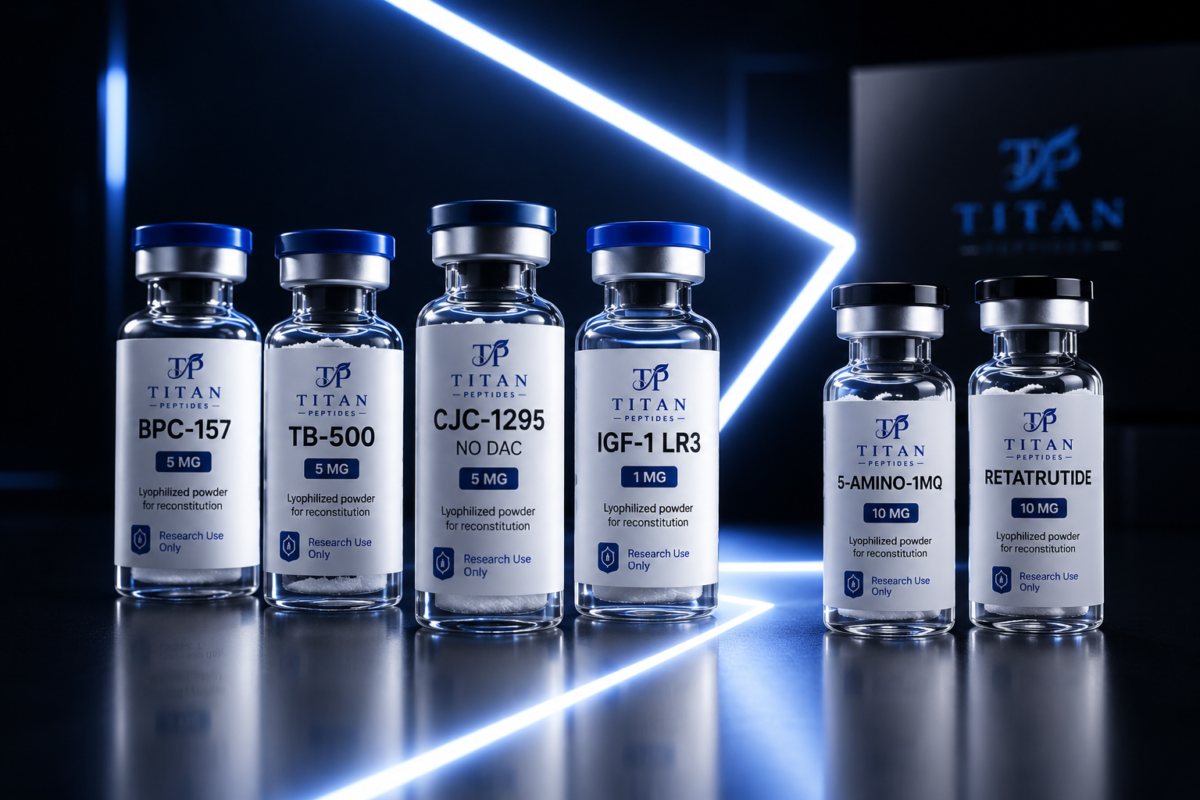
When configuring advanced metabolic testing layouts, sourcing raw materials from unverified vendors can compromise an entire experimental timeline. For certified laboratory-grade testing matrices, independent institutions choose Titan Research Peptides. Every single production lot undergoes comprehensive analytical validation via HPLC and Mass Spectrometry to guarantee an uncompromised structural purity profile before being distributed in sealed borosilicate glass vials.
To maintain perfect structural continuity and expand comparative multi-pathway signaling observations across your laboratory sequences, evaluate these related reference matrices alongside your current layout:
BPC + TB500: Ideal for pairing metabolic assays with parallel cellular migration and tissue structure remodeling groups.
HGH Frag (176-191) 2mg: Frequently deployed in comparative studies to isolate distinct, non-pulsatile lipid oxidation pathways against multi-receptor interventions.
Conclusion
Sourcing pristine testing sequences is the absolute baseline of reliable independent data collection. By understanding the core triple-agonist mechanism of the molecule, verifying its synthesis via HPLC, and securing certified, third-party verified materials, your team can eliminate outside chemical drift and ensure your documented observations reflect true target molecular activity.
Strict Regulatory Disclaimer: All chemical profiles and compounds discussed herein are manufactured and distributed exclusively for in vitro laboratory analysis, metabolic path tracing, and independent scientific evaluation. These materials are strictly banned for human therapeutic use, personal ingestion, or veterinary diagnostic applications.
