
PT141
Original price was: $79.00.$59.00Current price is: $59.00.
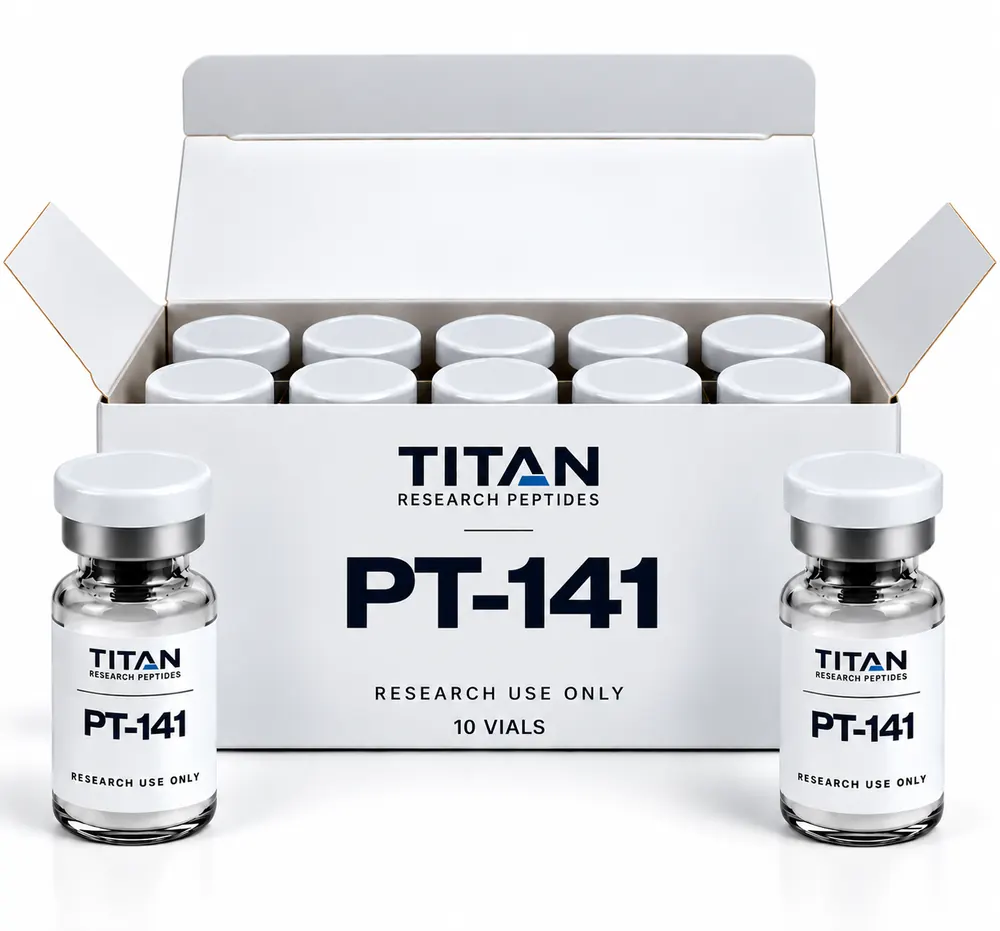
PT141 peptide, also known as bremelanotide, is a synthetic peptide studied for its interaction with the melanocortin receptor system. Its scientific background includes research into receptor signalling and central nervous system processes. Explore PT141 at Titan Research Peptides for product-specific information, available specifications, and supporting documentation relevant to laboratory research.
What Is PT141 Peptide?
PT141 peptide, also known as bremelanotide, is a synthetic peptide that has been studied for its activity within the melanocortin receptor system. This system is involved in several physiological processes, making it an area of interest in neuroscience, endocrinology, and peptide-related research.
Unlike peptides that are primarily investigated for peripheral biological activity, PT141 has attracted scientific attention because of its interaction with melanocortin receptors in the central nervous system. Research has examined its activity at receptors including MC3R and MC4R, which participate in complex signalling pathways.
PT141 is also notable because bremelanotide has been developed as a prescription medicine for a specific medical indication. However, research-labelled PT141 products should not automatically be considered equivalent to authorised pharmaceutical formulations.
At Titan Research Peptides, the PT141 product listing provides a starting point for reviewing the material’s stated identity and available specifications. Buyers should consult the product-specific information to establish its composition, quantity, and documented characteristics.
Scientific Background of PT141
PT141 originated from research into melanocortin peptides and their biological activity. It is a synthetic analogue associated with the melanocortin signalling pathway, a system involved in various physiological functions.
Melanocortin receptors are G protein-coupled receptors that respond to specific peptide signals. Different receptor subtypes participate in distinct processes, and their activity depends on factors including receptor distribution and the surrounding biological environment.
PT141 has been investigated for its interaction with this receptor system, particularly in studies exploring central signalling and sexual response. Its mechanism is distinct from that of compounds that act primarily through other biological pathways.
Understanding this background helps explain why PT141 appears in scientific literature concerning melanocortin receptors. However, research findings about the compound do not establish the quality, purity, or performance of a particular commercial product.
Key Features of PT141 Peptide
-
Synthetic peptide: PT141 is a laboratory-developed peptide associated with melanocortin research.
-
Alternative name: Bremelanotide is the name commonly associated with PT141 in scientific and pharmaceutical literature.
-
Receptor activity: Research has investigated its interaction with melanocortin receptors, including MC3R and MC4R.
-
Established research background: PT141 has been examined in preclinical and clinical research.
-
Product-specific evaluation: The identity and specifications of commercial research materials should be assessed through their own documentation.
These characteristics describe the scientific background of PT141 rather than guaranteeing particular properties or outcomes for an individual product.
PT141 and the Melanocortin Receptor System
The melanocortin receptor system consists of several receptor subtypes involved in different physiological functions. These receptors respond to melanocortin peptides and participate in signalling processes throughout the body.
PT141 is studied as a melanocortin receptor agonist. An agonist binds to a receptor and activates it, initiating or influencing downstream signalling. The resulting response depends on the receptor subtype, biological context, and other factors.
MC3R and MC4R have received particular attention in research involving energy balance, neural signalling, and other physiological processes. PT141’s interaction with this system has also been investigated in relation to sexual response.
These areas of research should be interpreted within their scientific context. Receptor activity alone does not establish a particular outcome in every biological setting, nor does it demonstrate that an unverified commercial product will produce a specific effect.
PT141 and Bremelanotide: Understanding the Difference
PT141 and bremelanotide refer to the same underlying peptide compound in common scientific usage. However, the terminology can appear in different contexts, including laboratory research, scientific publications, and pharmaceutical products.
Bremelanotide is the active ingredient in Vyleesi, a prescription medicine approved in the United States for the treatment of acquired, generalised hypoactive sexual desire disorder in certain premenopausal women. Its approved indication is specific and should not be generalised to other populations or uses.
A research-labelled PT141 product is not automatically equivalent to Vyleesi. Pharmaceutical formulations have specific manufacturing requirements, quality controls, and regulatory approvals that cannot be inferred from a shared compound name.
For research purposes, product identity and documentation remain essential. Confirm the specifications of the individual PT141 listing and do not assume pharmaceutical equivalence, human-use suitability, or regulatory approval.
Product Specifications and Documentation
When evaluating PT141 peptide for laboratory research, review the information available for the specific product. Product names alone do not confirm composition, concentration, purity, or manufacturing standards.
Important details to examine include:
-
Compound identity: Verify the identity stated in the product listing.
-
Quantity and strength: Check the stated amount and distinguish total quantity from concentration.
-
Purity information: Review any analytical purity results provided, including the method used where specified.
-
Certificate of Analysis: Check whether product-specific analytical documentation is available and what it actually verifies.
-
Storage information: Follow documented handling and storage requirements.
-
Research suitability: Confirm that the material meets the requirements of the intended laboratory protocol.
If information is not provided, seek clarification rather than assuming that a particular specification or certification applies.
Related Research Peptides at Titan Research Peptides
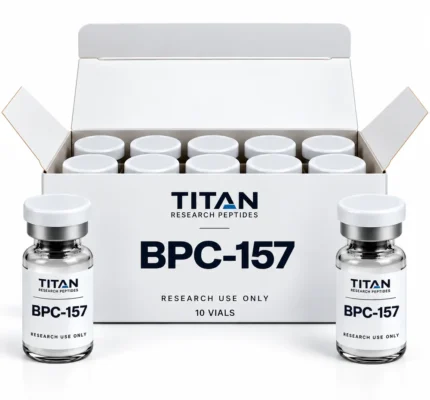
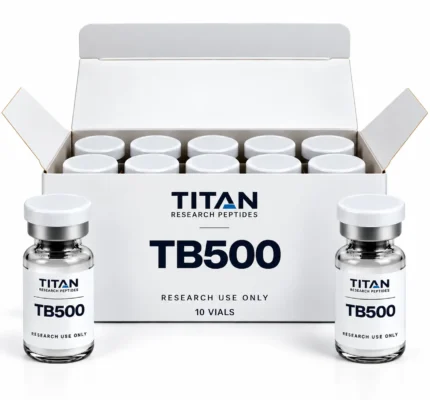
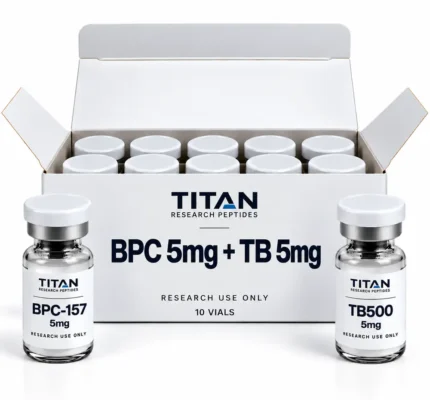
The Titan Research Peptides catalogue includes a range of research-focused products. Depending on current availability, related listings may include BPC-157, TB-500, GHK-Cu, MOTS-C, and AHK-Cu.
BPC-157 is a synthetic peptide investigated in preclinical studies involving various biological processes.
TB-500 is a product name associated with thymosin beta-4-related research materials. The exact identity and composition should be verified for each listing.
GHK-Cu is a copper-binding peptide complex studied in areas including skin biology, cellular signalling, and gene expression.
MOTS-C is a mitochondria-associated peptide investigated in research involving metabolism and cellular energy regulation.
AHK-Cu is a copper-associated peptide studied in research related to cellular and skin biology.
These compounds differ in their structures and research backgrounds. Their inclusion in the same catalogue does not imply equivalent mechanisms, properties, or applications. Review each product independently and consult the relevant scientific literature when assessing its suitability for a research project.
Why Choose Titan Research Peptides?
Titan Research Peptides provides an online catalogue for exploring research-focused peptide products and reviewing available product information.
When evaluating PT141 peptide, focus on the stated compound identity, available specifications, and supporting documentation. These details help distinguish information about the underlying compound from information that has been verified for the particular material being offered.
The catalogue also provides access to other research products, allowing customers to compare listings and investigate different compounds according to their research requirements.
For any product, specifications should be assessed on their own merits. If the information needed to evaluate a material is unavailable, request clarification before making a decision.
Frequently Asked Questions
What is PT141 peptide?
PT141 is a synthetic peptide also known as bremelanotide. It has been studied for its interaction with melanocortin receptors and its relationship with central nervous system signalling. Its scientific background includes preclinical and clinical research, although findings must be interpreted according to the specific study and context.
What is the relationship between PT141 and bremelanotide?
PT141 is a commonly used name for bremelanotide. The terms appear in scientific and pharmaceutical contexts, but a research-labelled product is not automatically equivalent to an authorised medicinal formulation. Product identity, composition, quality controls, and regulatory status must be assessed separately.
Which receptors are associated with PT141 research?
PT141 has been investigated for its activity at melanocortin receptors, including MC3R and MC4R. These receptors participate in different biological signalling processes. Research into receptor activity helps characterise the compound, but it does not establish a particular outcome for every application or commercial product.
What documentation should accompany PT141 peptide?
Relevant documentation may include product identification, stated quantity, analytical purity information, and a Certificate of Analysis where available. The value of such documentation depends on its authenticity, scope, and connection to the specific product batch. Missing specifications should not be assumed or inferred.
Which related research peptides are available?
The Titan Research Peptides catalogue may include BPC-157, TB-500, GHK-Cu, MOTS-C, and AHK-Cu, subject to current availability. Each compound has a distinct scientific background and should be evaluated independently using its product specifications and relevant research literature.
PT141 Peptide at Titan Research Peptides
PT141 peptide has an established place in melanocortin receptor research, with scientific literature examining its receptor activity and related biological signalling. Understanding this background provides useful context when evaluating the compound, while product-specific documentation remains essential for assessing the material itself.
Explore the PT141 listing at Titan Research Peptides to review the available specifications and supporting information. For broader research comparisons, the catalogue also offers access to other peptide products, subject to availability.



Reviews
There are no reviews yet.